




Scattered across the Southern Zone of Costa Rica are some of the country’s most remarkable archaeological treasures: the enigmatic stone spheres of the Diquís. Perfectly rounded and carved centuries ago, these mysterious monuments continue to inspire wonder and raise questions that archaeologists have yet to fully answer.
Created between approximately 300 and 1500 CE by the ancestors of the Boruca, Térraba, and other Indigenous groups of the Diquís region, the spheres continue to puzzle archaeologists and visitors alike. More than 300 have been documented throughout southern Costa Rica, particularly in the Térraba-Sierpe Delta and around Palmar Sur.
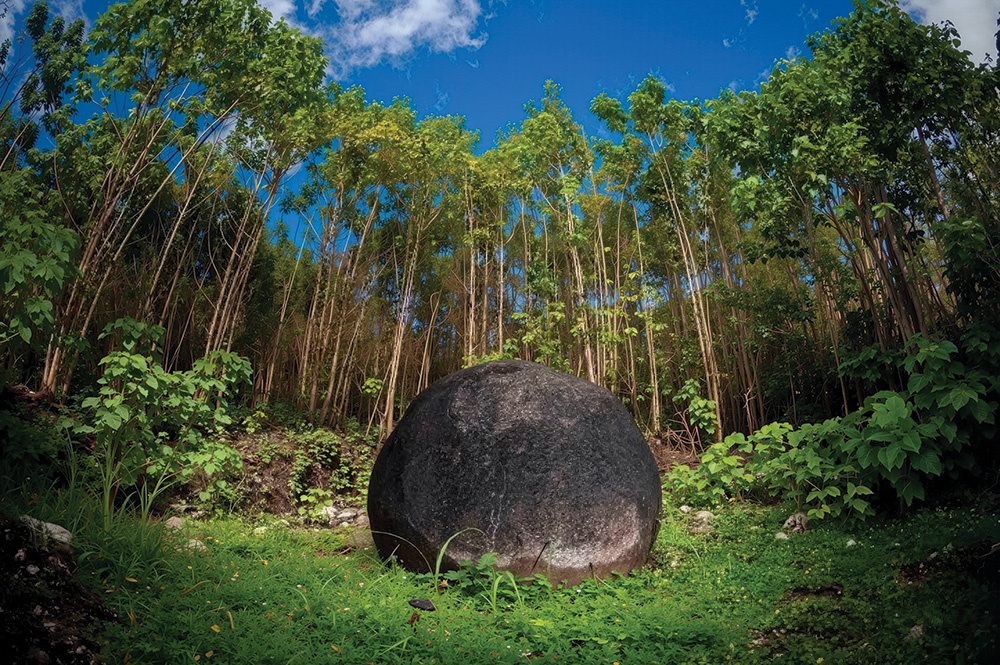
What makes the spheres so remarkable is not simply their size or shape, but their material and precision. Most were carved from granodiorite (gabro), an extremely hard igneous rock found primarily in the foothills of the Talamanca Mountains, sometimes many kilometres from where the spheres were ultimately placed. Some weigh up to 15 tonnes and measure more than 2.5 metres in diameter. Without metal tools, wheeled transport, or draft animals, the Diquís people somehow quarried, transported, and shaped these stones into near-perfect spheres—a feat that remains difficult to fully explain.
Their purpose is equally mysterious.
Archaeologists believe the spheres were likely symbols of authority and social organization, often placed near the homes or ceremonial spaces of chiefs. Yet many questions remain unanswered. Some spheres were arranged in straight lines, triangles, and geometric groupings, suggesting that their placement was intentional rather than decorative. Researchers have proposed that certain alignments may have reflected cosmological beliefs, solar observations, or relationships with prominent mountains and celestial events. While popular theories often claim the spheres were directly connected to the stars or constellations, no definitive evidence has proven this. Their precise meaning remains one of Costa Rica’s greatest archaeological enigmas.
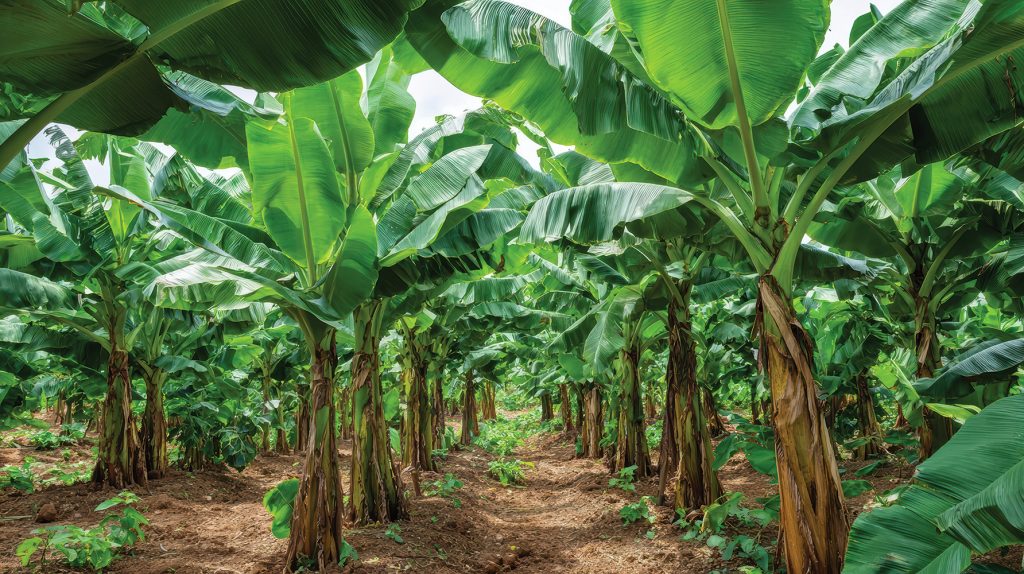
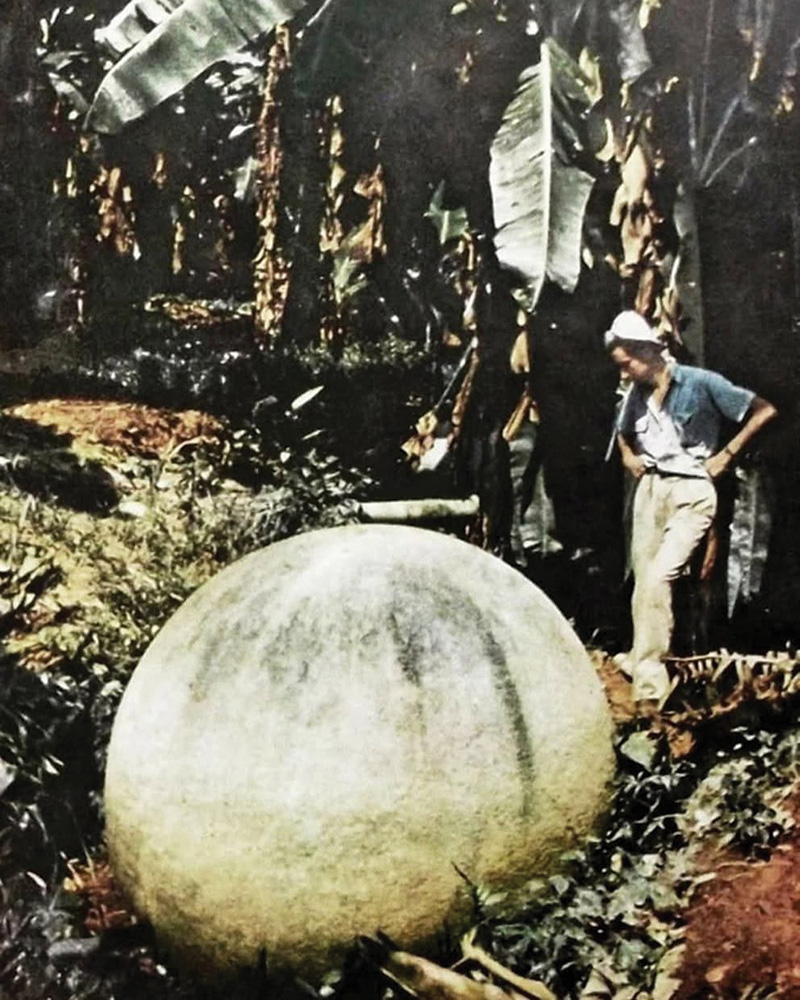
The mystery deepened during the 1930s, when large numbers of spheres were discovered during the clearing of banana plantations. Many were moved from their original locations, and some were even damaged by treasure hunters who mistakenly believed they concealed gold. As a result, important archaeological clues were lost forever.
Today, the best place to experience these monuments is at the Finca 6 Archaeological Site, where several spheres remain in their original context. Visitors can also explore the nearby sites of Batambal Archaeological Site, Grijalba-2 Archaeo-logical Site, and El Silencio Archaeological Site.
In 2014, these four archaeological sites were collectively recognized as the Precolumbian Chiefdom Settlements with Stone Spheres of the Diquís, making them Costa Rica’s first UNESCO World Heritage designation based solely on archaeological significance.
The stone spheres remind us that the Southern Zone’s history did not begin with roads, ports, or plantations. It began with a people whose engineering, organization, and worldview were so sophisticated that, centuries later, their greatest monuments still defy complete explanation.