

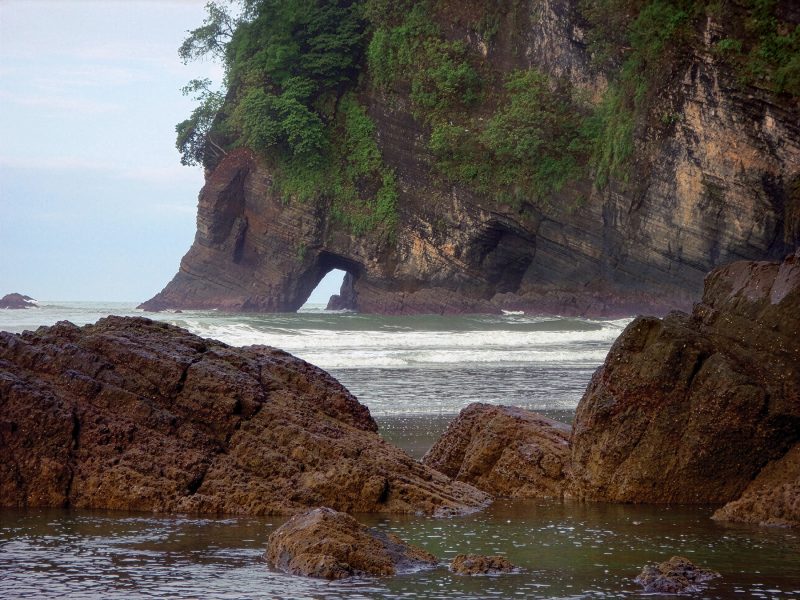

Ojochal’s transformation is one of the most remarkable stories in the Southern Zone. Within just a few decades, a quiet rural community of cattle pastures and agricultural lands evolved into one of Costa Rica’s most distinctive culinary and residential destinations.
Historically, the area was sparsely populated, with cattle farming and agriculture forming the backbone of local activity. For much of the twentieth century, Ojochal remained a small settlement connected to neighbouring communities by limited road infrastructure. The gradual development and paving of the Costanera Sur (Route 34), particularly in the early 2000s, improved access and connected the community more directly to Uvita, Palmar Norte, and the broader regional economy.
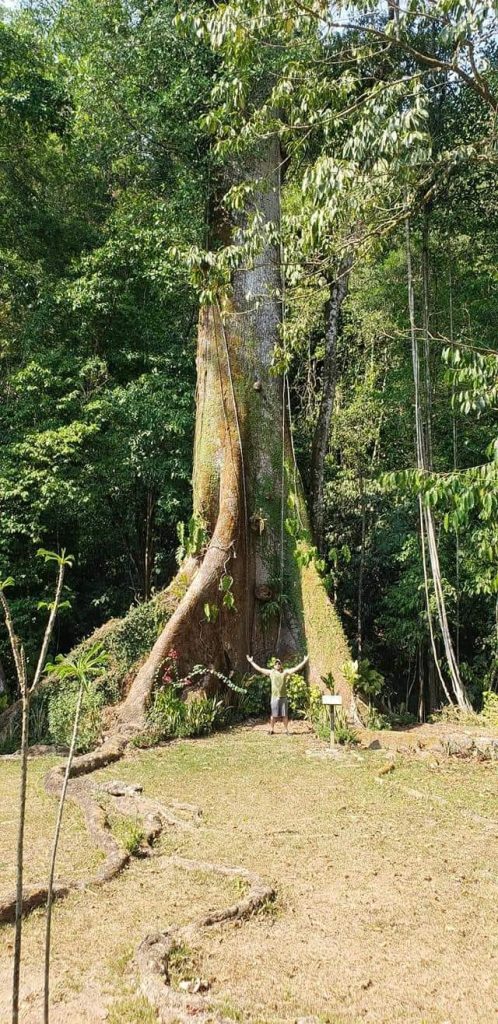
One of the most enduring memories from this era is the large tree that once stood in the middle of the roadway. Longtime residents still reference it as a symbol of a quieter time, before traffic, development, and population growth reshaped the landscape.
A significant milestone came in 2009 with the establishment of Reserva Playa Tortuga, a conservation and research centre that attracted students, volunteers, and visitors from around the world. The reserve helped introduce many international residents to the area while reinforcing the region’s connection to environmental stewardship.

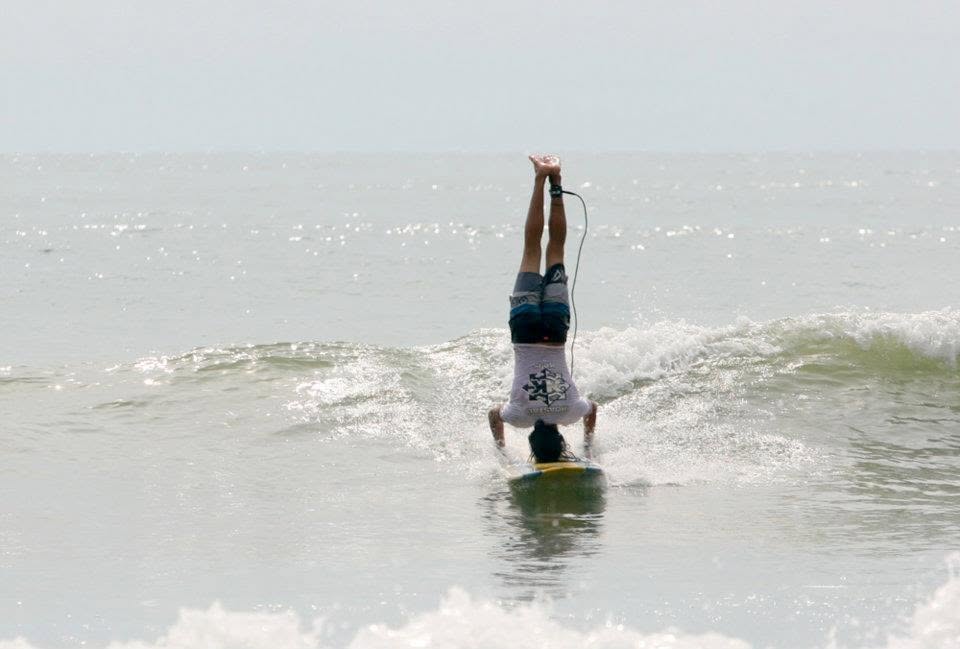
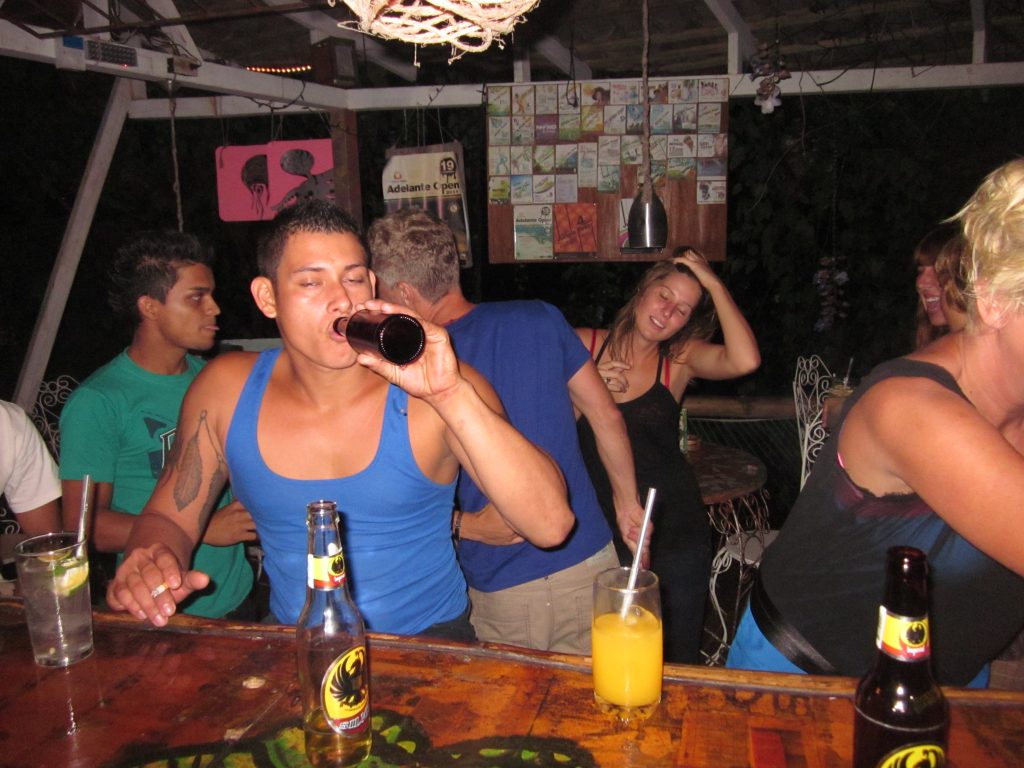
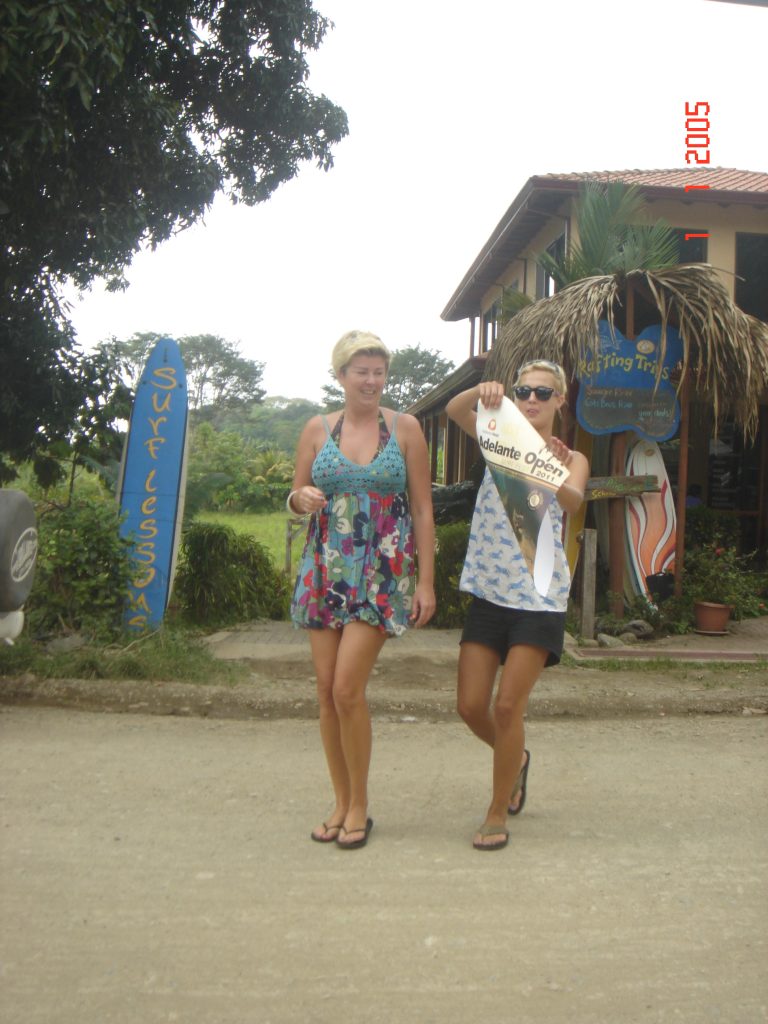
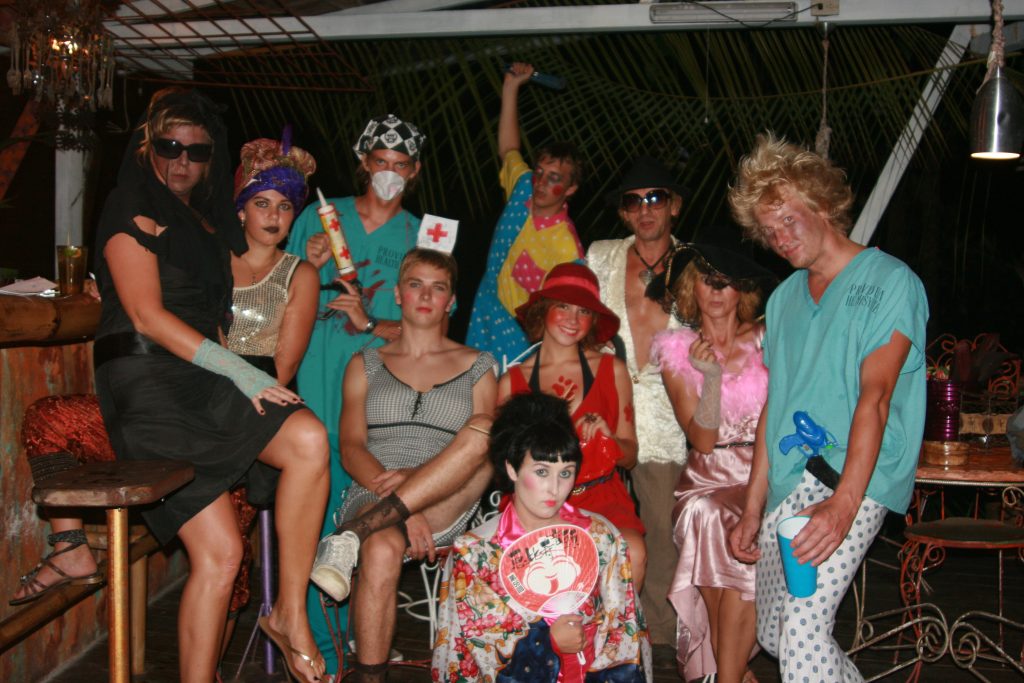
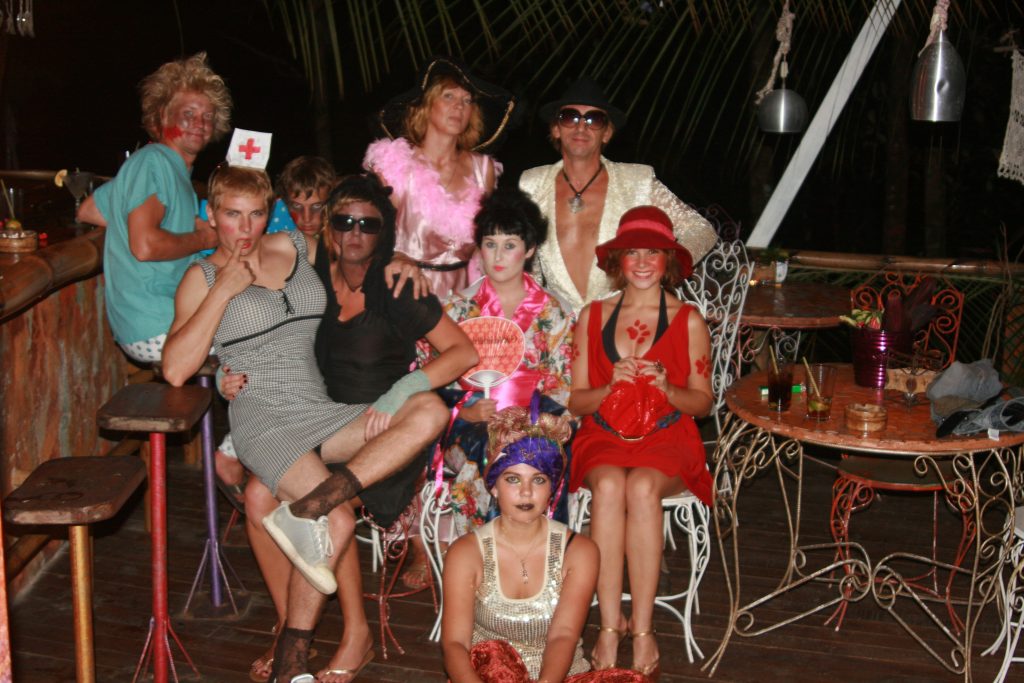
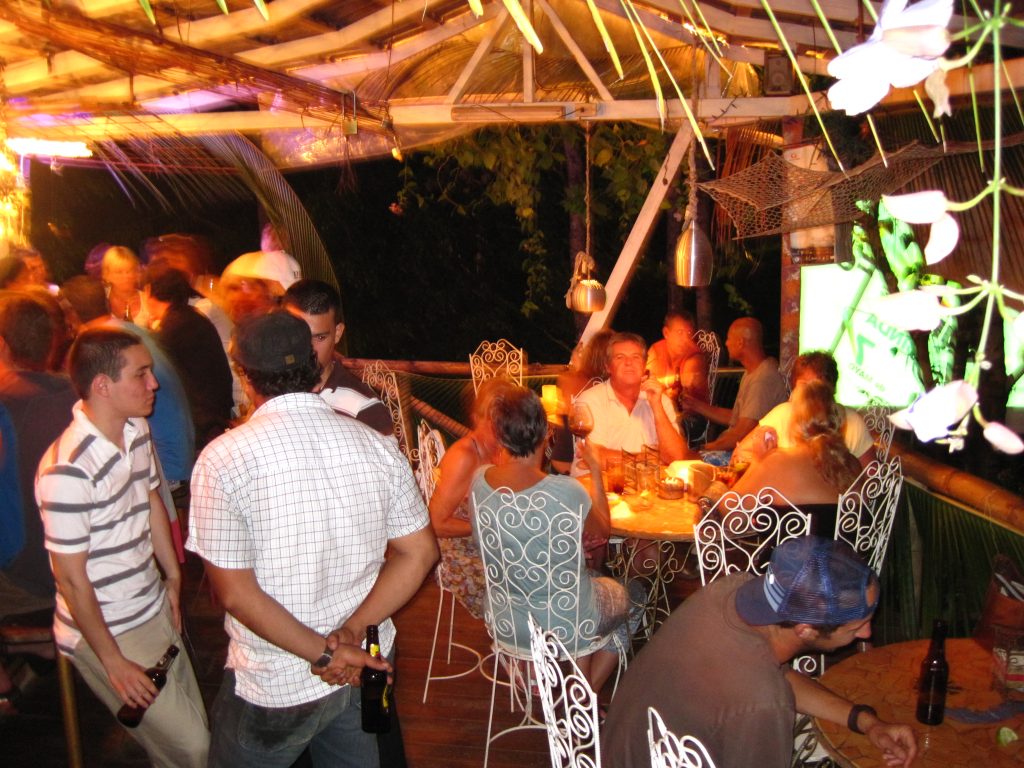
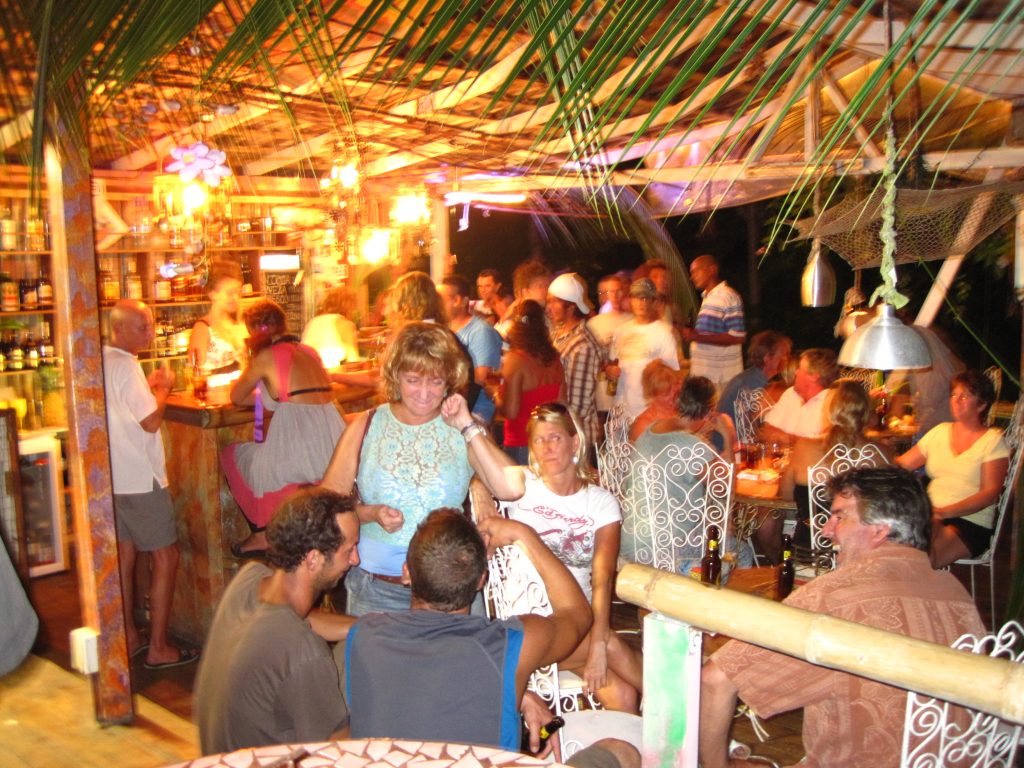
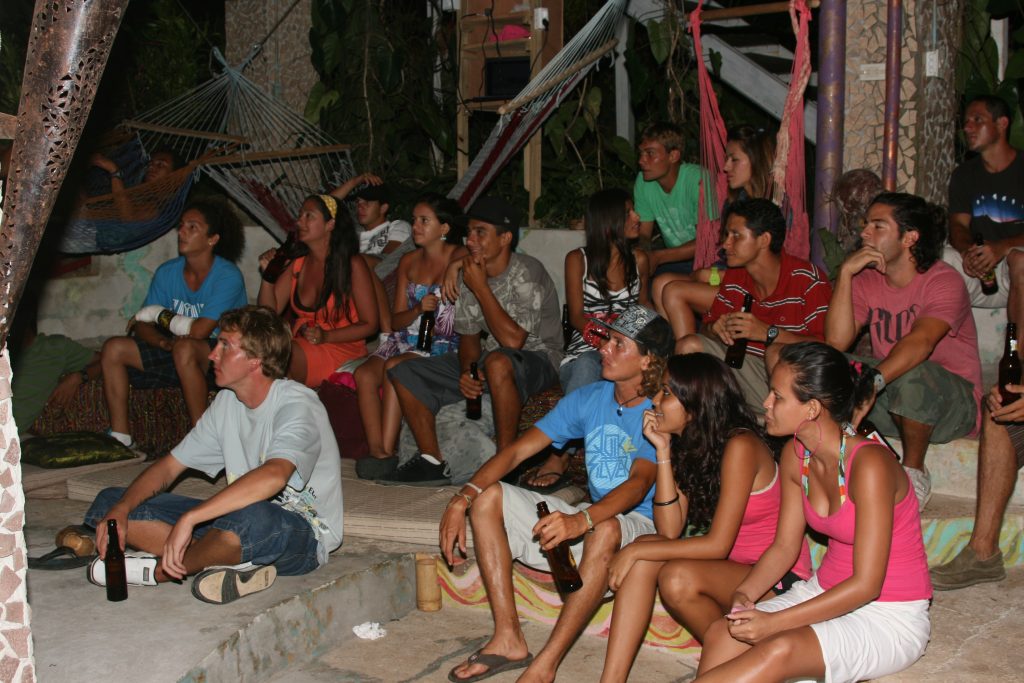
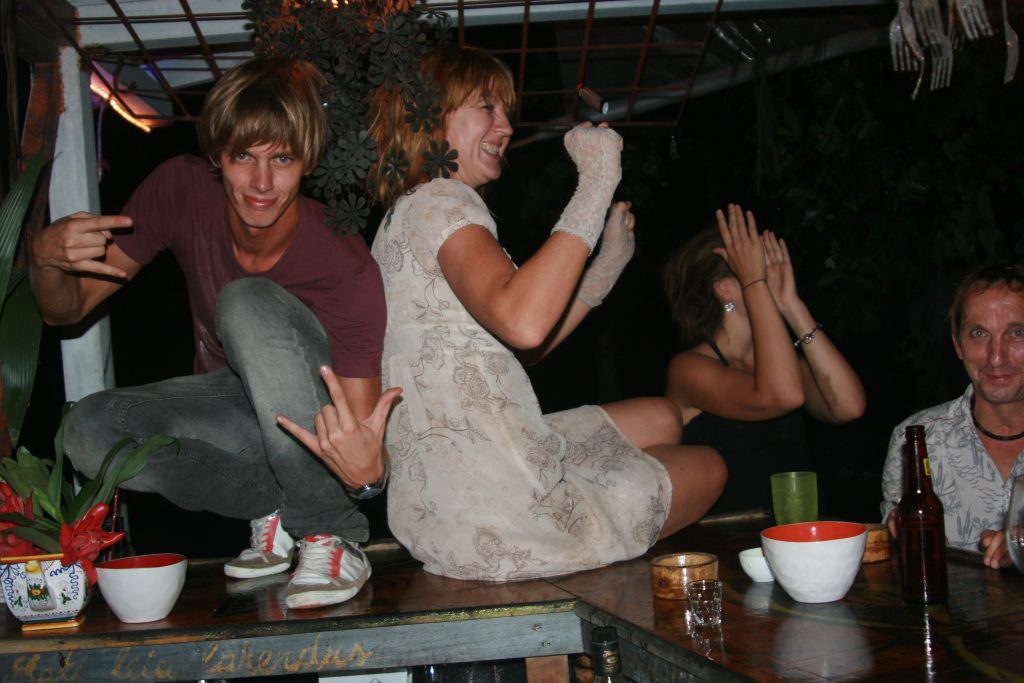
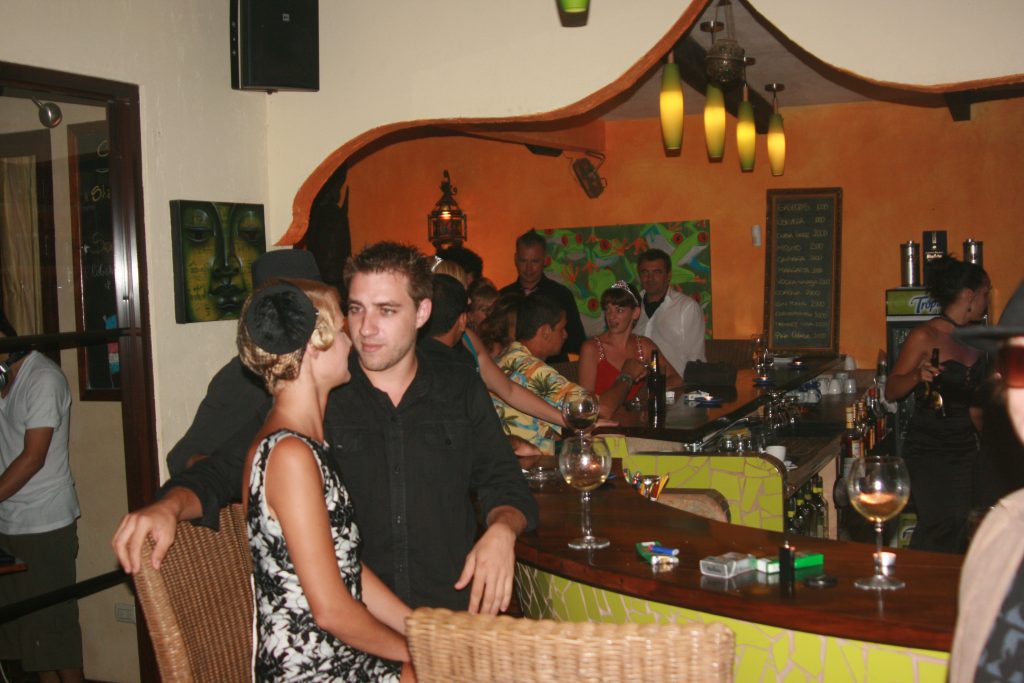
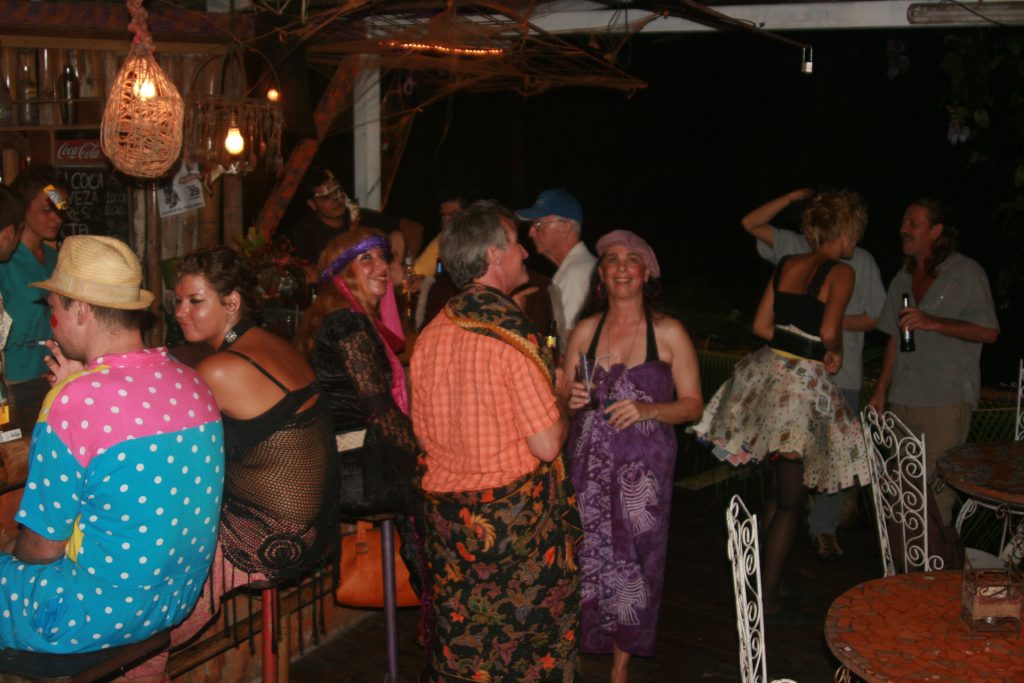
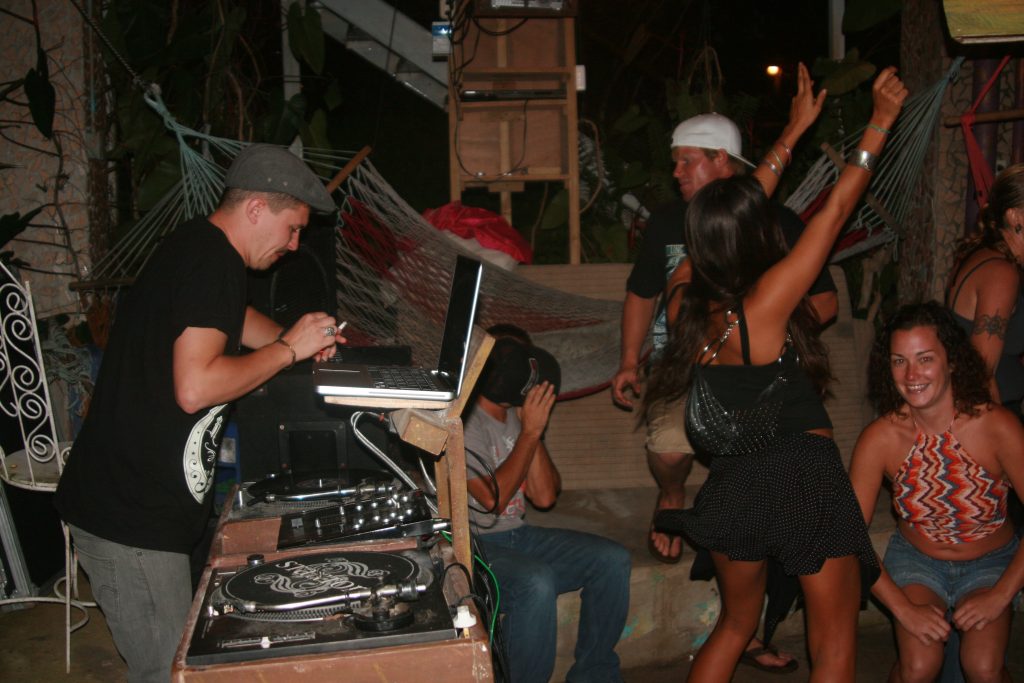
At the same time, venues such as the Adelante Hotel became known for hosting electronic music events, international DJs, and community gatherings that brought together residents and visitors from across the Southern Zone. Restaurants, bars, and dance venues added to a growing social scene that was unlike anything else in the region. Yes, you could once bar hop in Ojochal!
As international investment increased, particularly from French-Canadian and European residents, homes expanded into the surrounding hillsides and forests. New services, businesses, and residential developments followed, transforming the community while maintaining its connection to nature. Ojochal began developing a reputation for culture, hospitality, and entertainment.
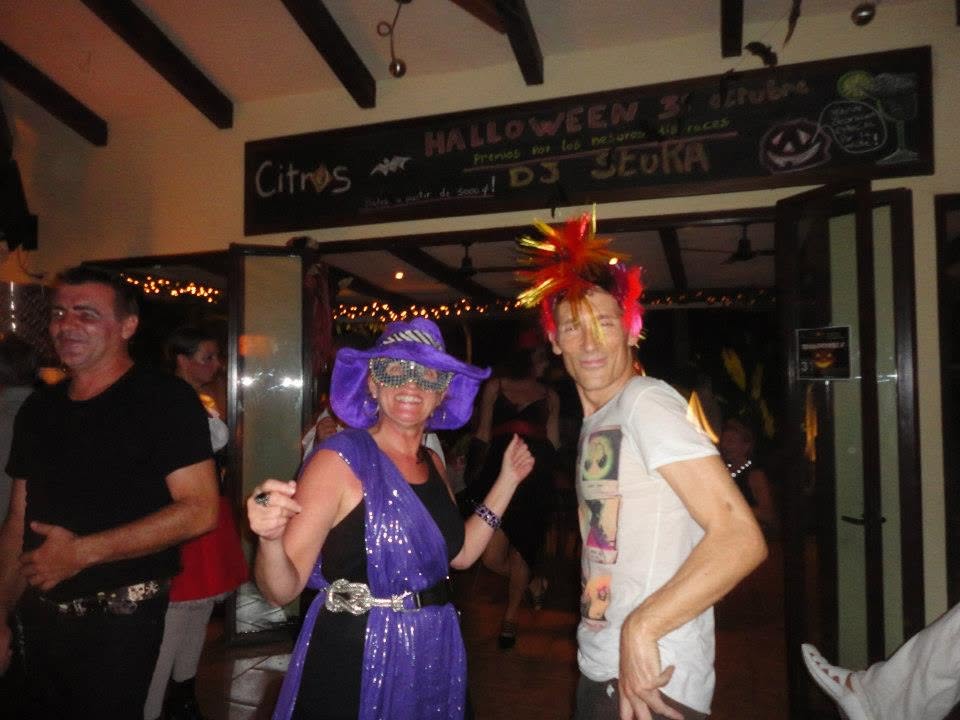
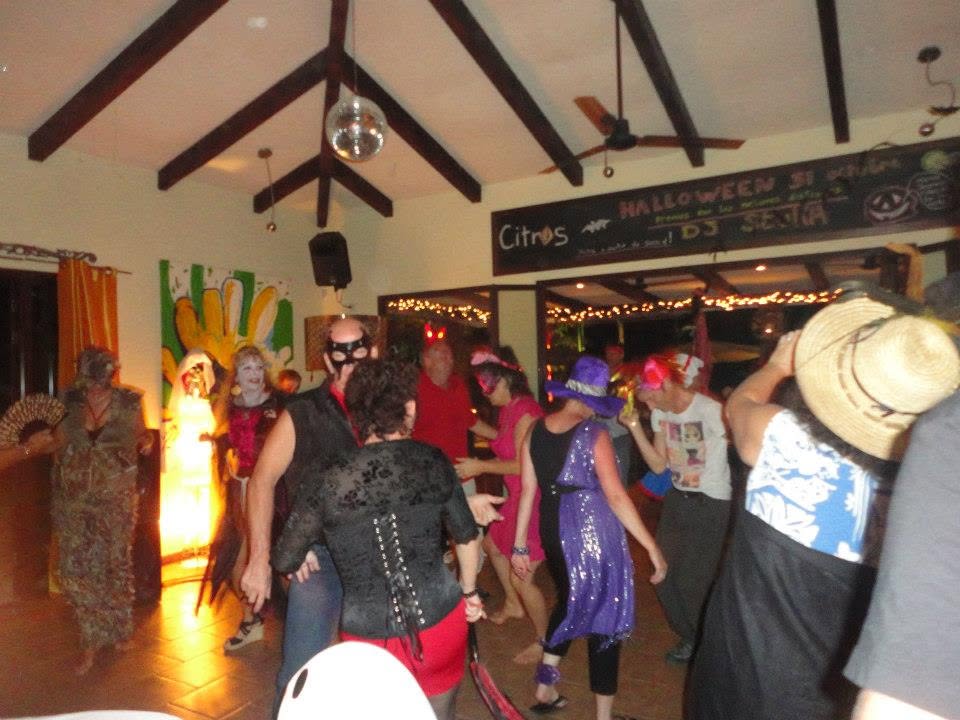
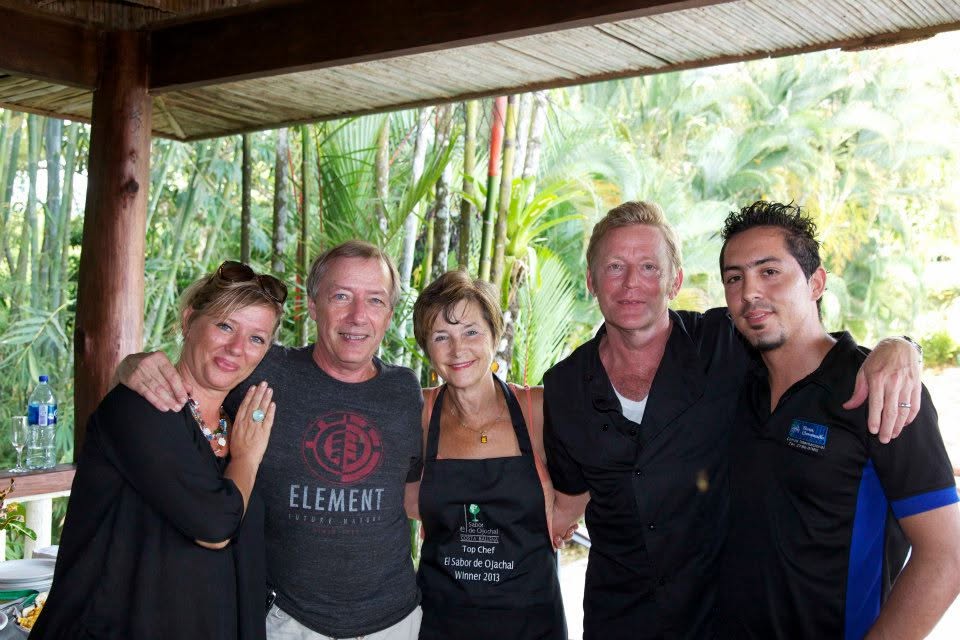
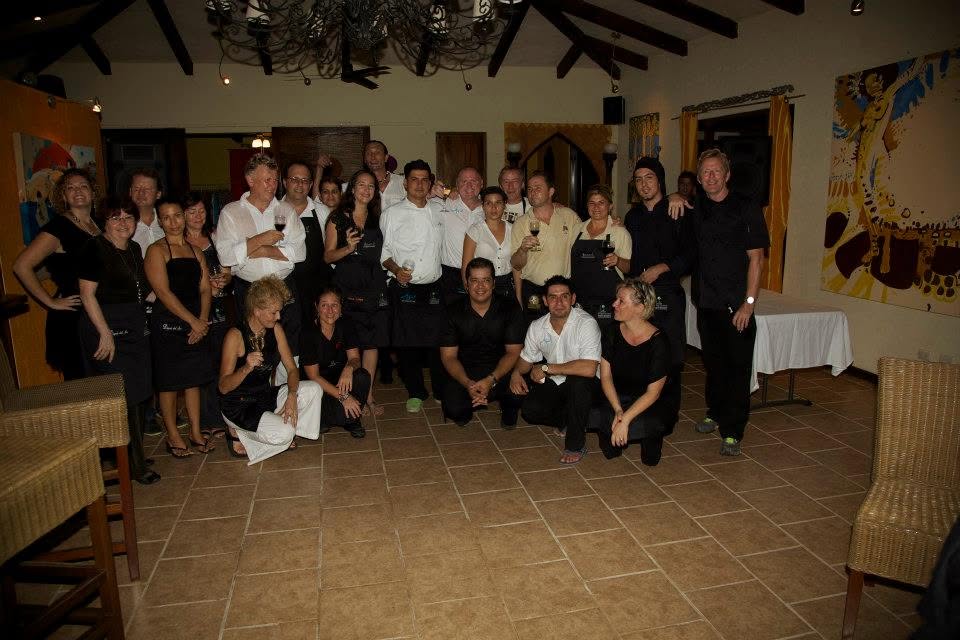
During the 2010s, Ojochal’s culinary identity became one of its defining characteristics. Through initiatives such as Sabor de Ojochal, restaurant owners worked collectively to promote the town as a destination for fine dining and international cuisine. Chefs and business owners from around the world brought diverse culinary traditions to a community that would eventually earn a reputation far beyond its size.
Today, Ojochal is recognized for its unique blend of gastronomy, conservation, and hillside living. What was once a rural corridor has become one of the Southern Zone’s most dynamic communities, where international influences and natural beauty continue to shape its evolving identity.
Good Ole Days
- Wave of French-Canadian investment shaping hillside development
- Latin Dance nights at Coco Lindo
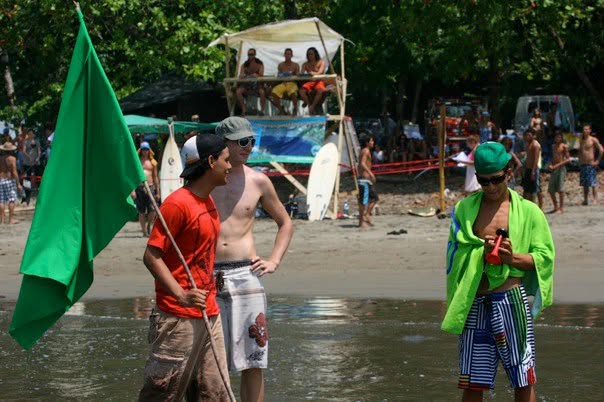
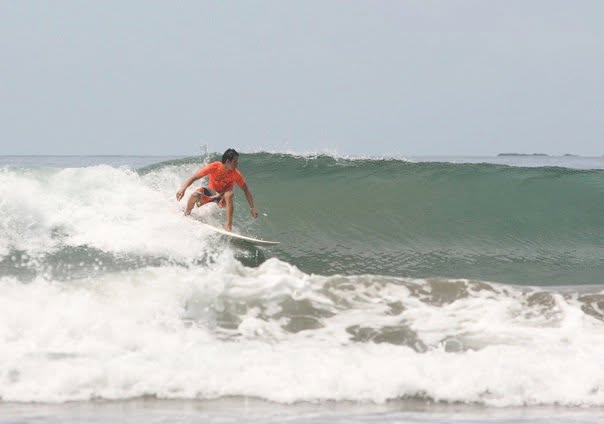
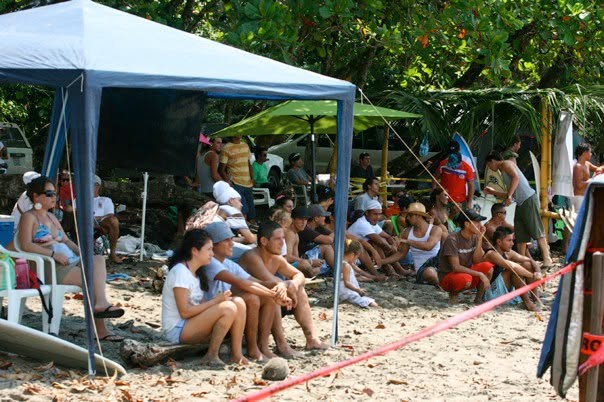
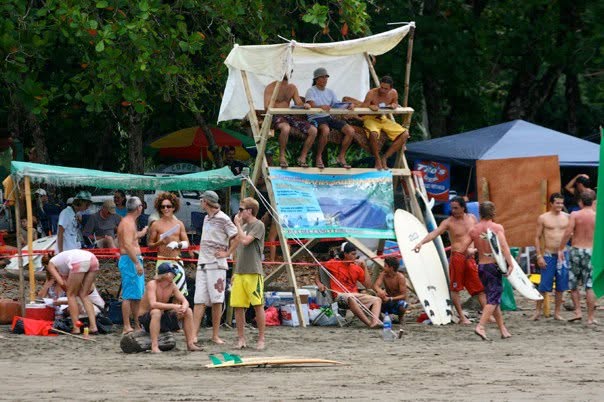
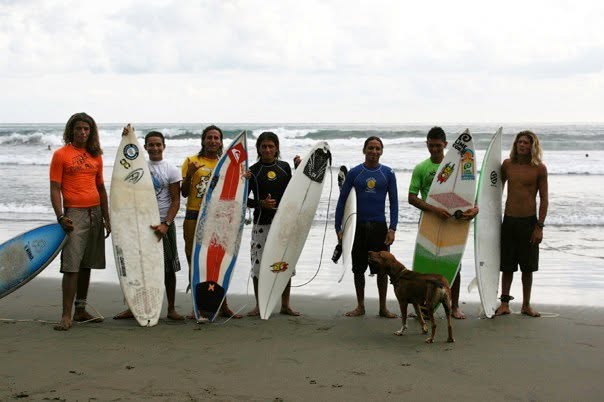
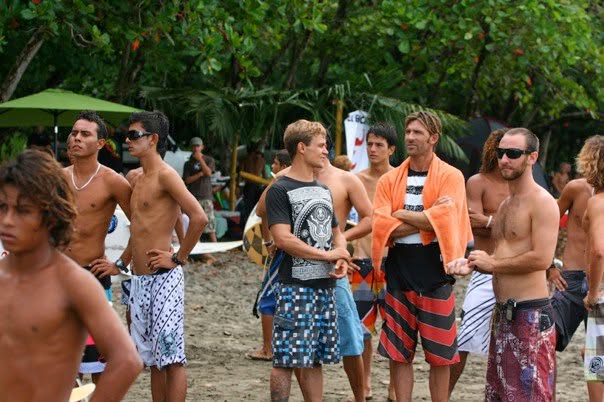
- Surf competition hosted on Isla Garza
- Sabor de Ojochal as an early culinary anchor
- The big tree in the middle of the road before expansion
- Early days when everything felt like it was still hidden in the forest