



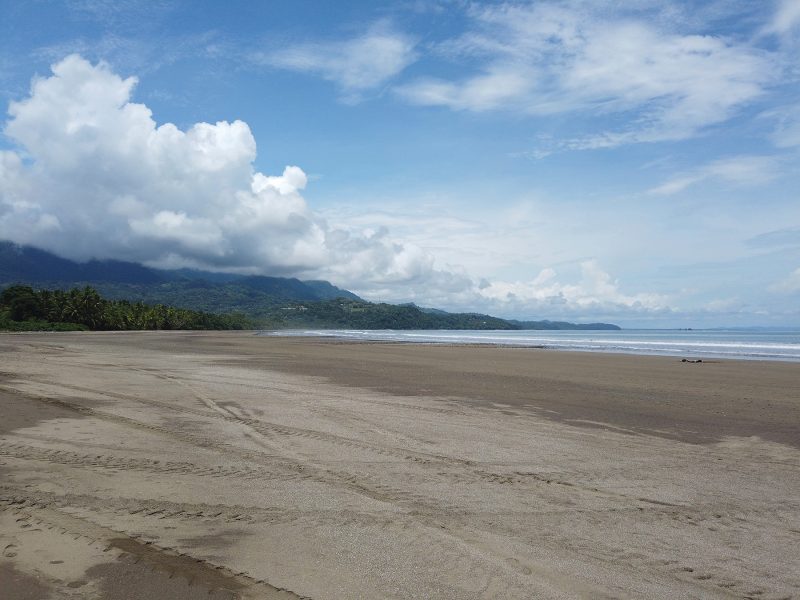

Uvita’s modern identity is closely tied to the establishment of Marino Ballena National Park in 1992, created to protect both marine ecosystems and one of Costa Rica’s most distinctive coastal formations: the Whale’s Tail sandbar. The park’s creation positioned Uvita as a key ecological and geographic reference point along Costa Ballena and laid the foundation for the area’s future tourism development.
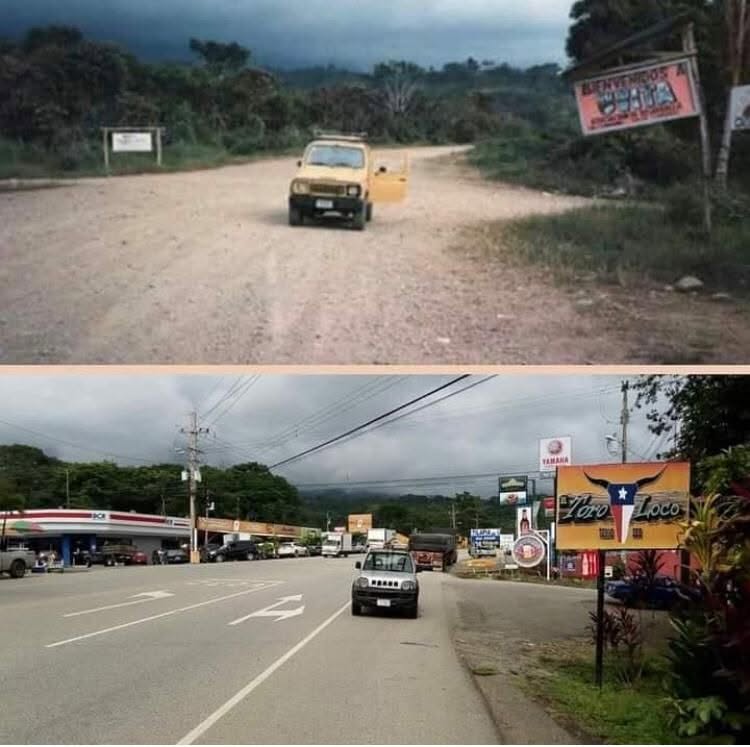
Prior to this period, Uvita existed as a dispersed rural settlement shaped by agriculture, fishing, and its proximity to the Pacific coast. For much of the twentieth century, limited infrastructure and difficult access kept the area relatively isolated from the country’s principal population centres.
The gradual development of the Costanera Sur (Route 34) improved accessibility throughout the southern Pacific region, connecting Uvita more directly with communities to the north and south. As transportation infrastructure improved, the town evolved from a small roadside settlement into an increasingly important service and commercial centre for Costa Ballena.
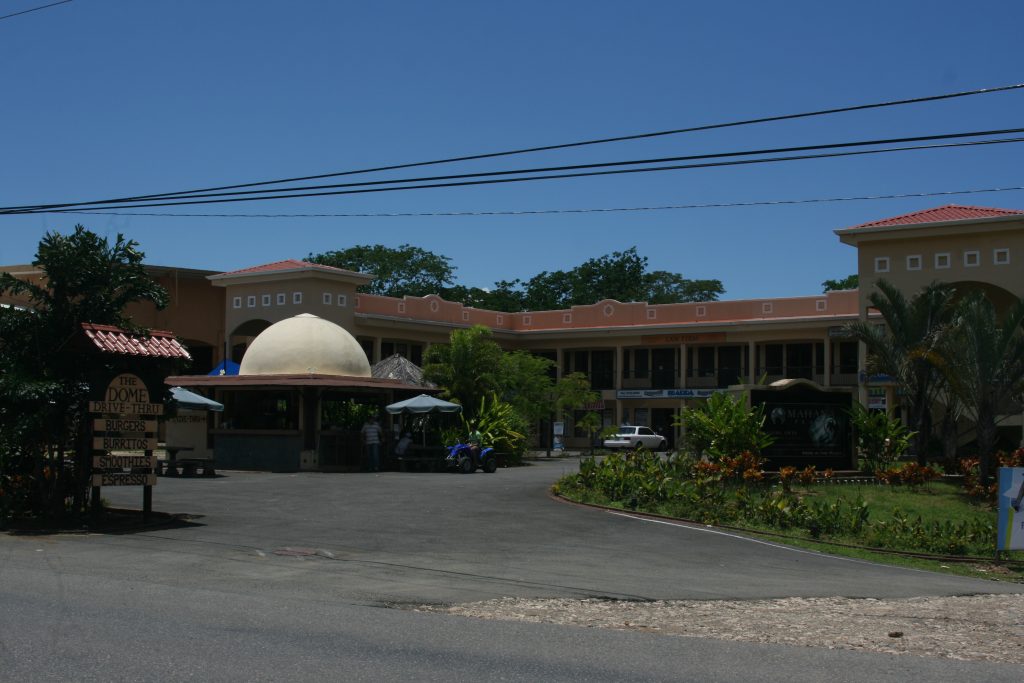
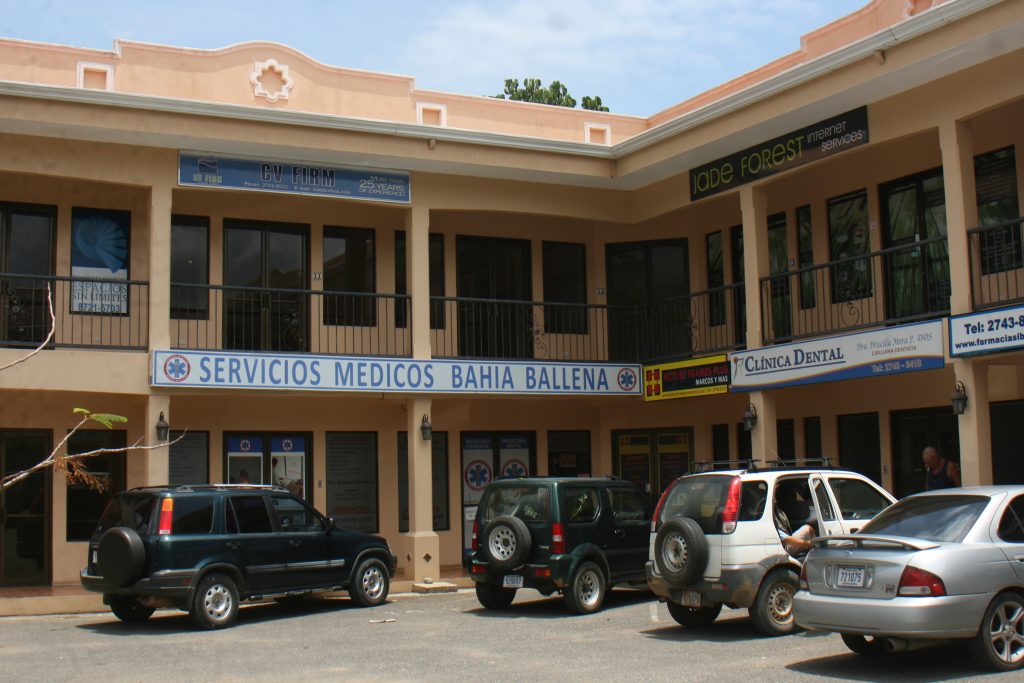
During the late 1990s and early 2000s, tourism growth accelerated alongside rising international interest in the region’s natural beauty, marine life, and outdoor recreation opportunities. New businesses, accommodations, and residential communities emerged, while conservation remained central to the area’s identity.
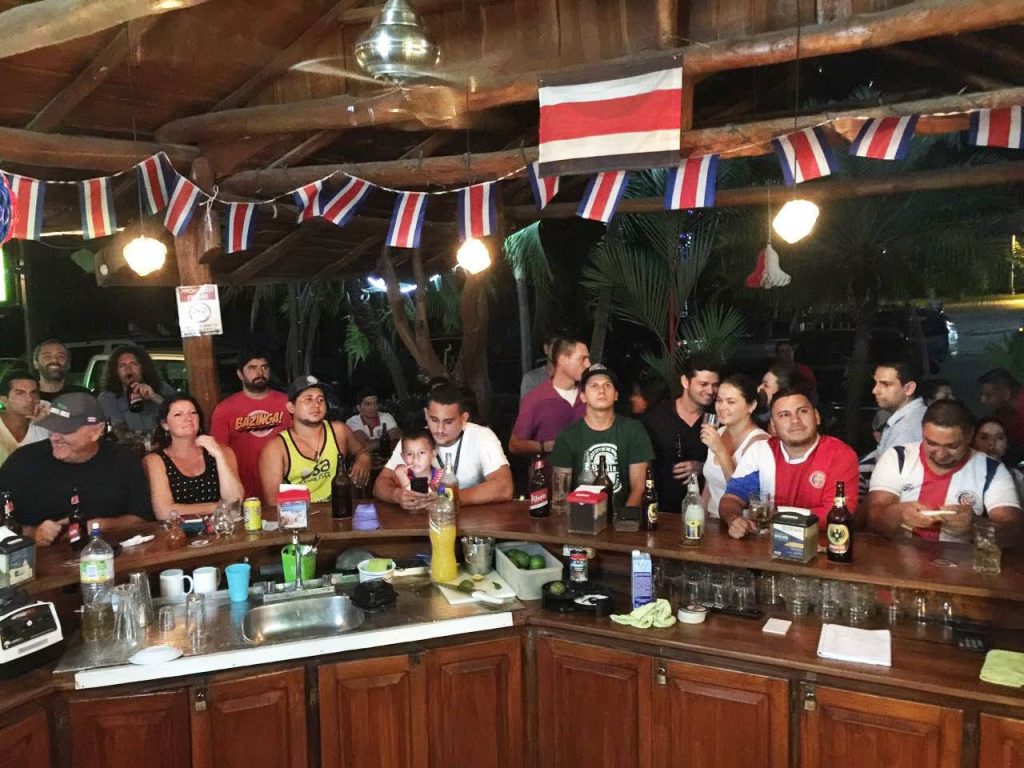
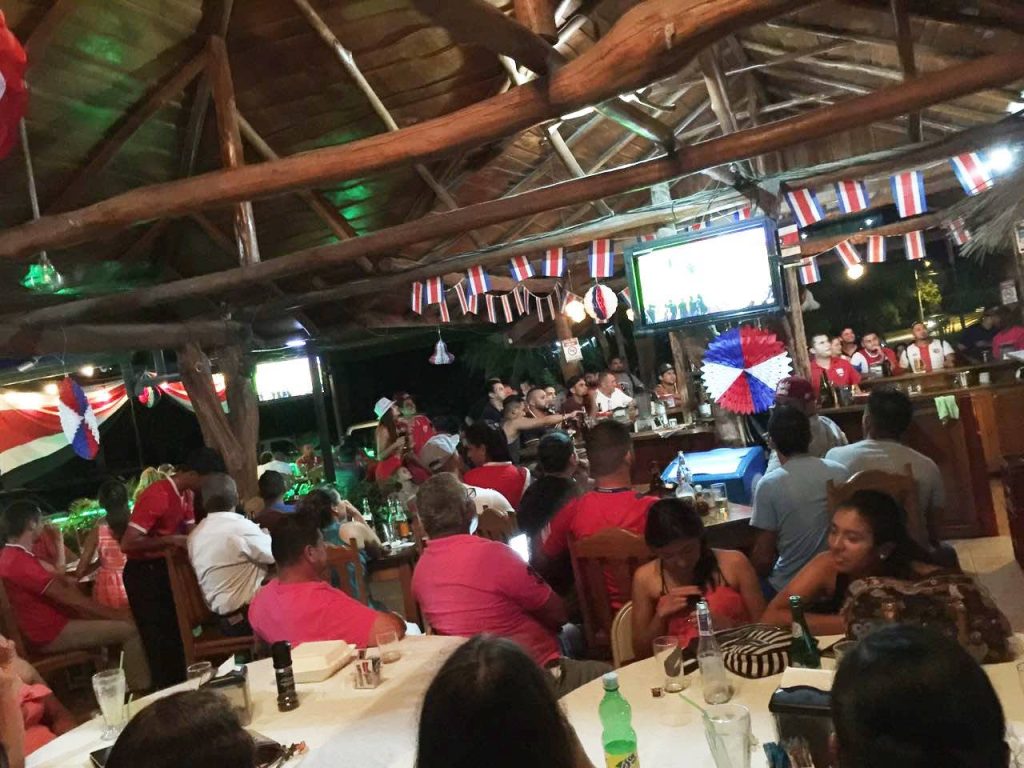
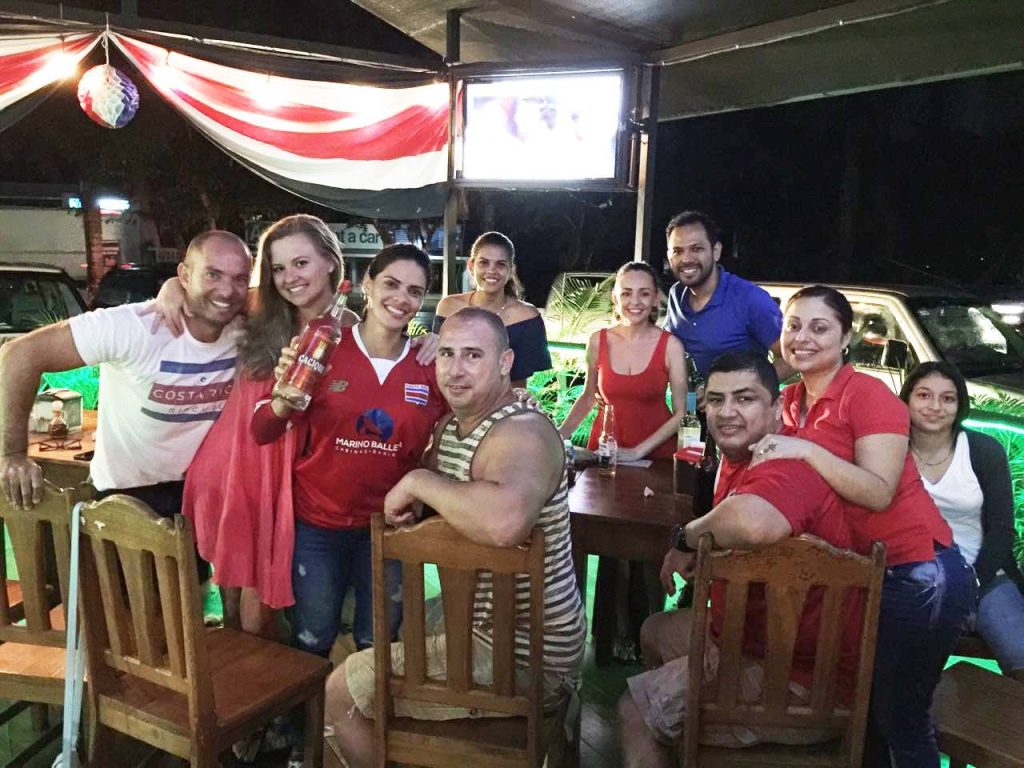
Today, Uvita functions as both a residential centre and the symbolic heart of Costa Ballena, defined by its national park, coastal ecology, and evolving urban core. The community continues to balance growth with the natural environment that first brought international attention to the region. Uvita has emerged as the undisputed central hub of Costa Ballena.
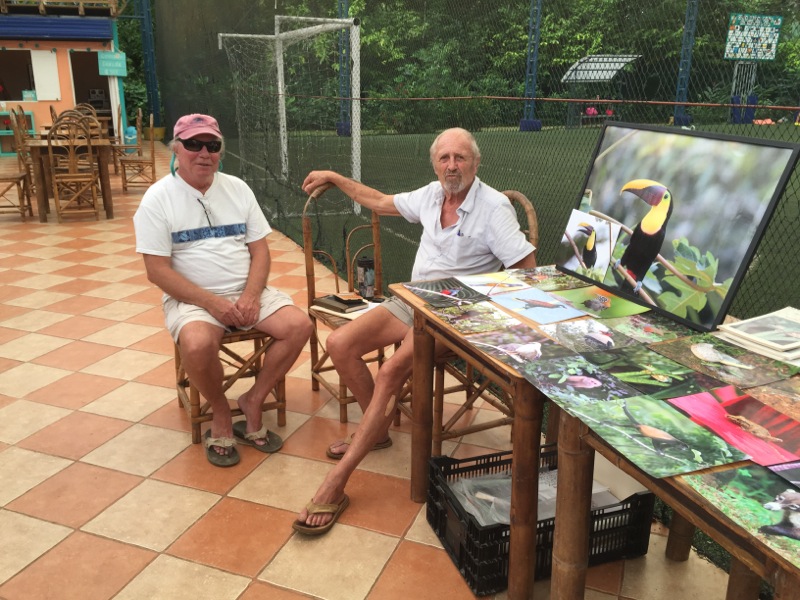
BLAST FROM THE PAST
- Playa Ventanas Full Moon Parties
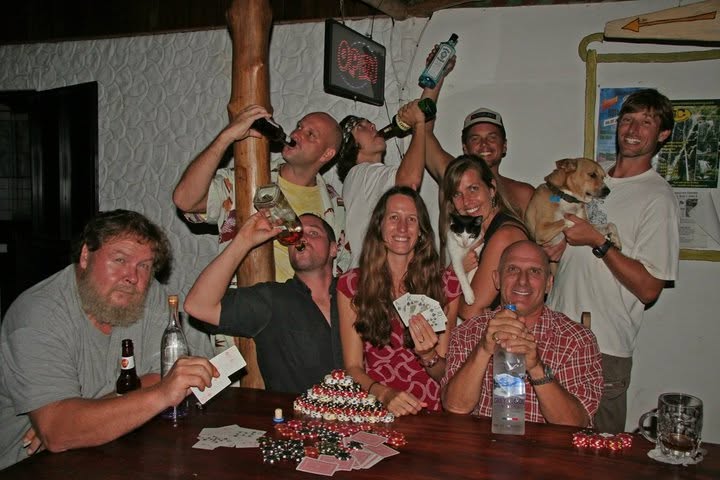
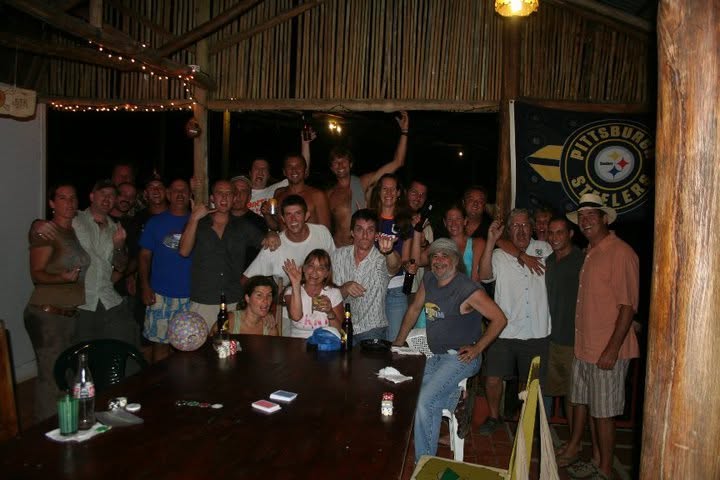
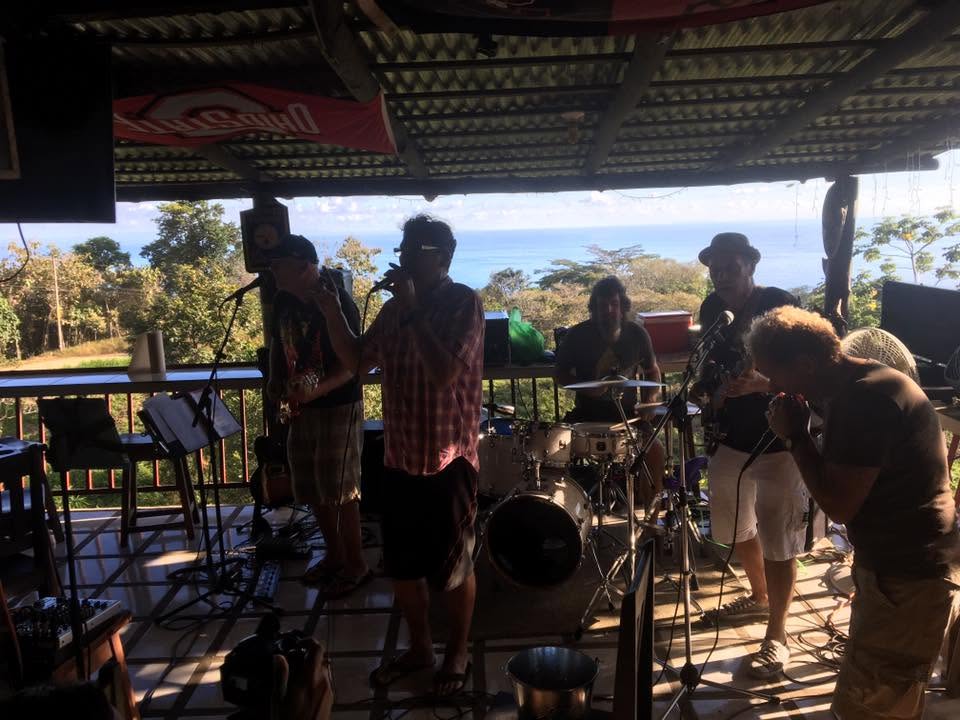
- Roadhouse at KM 169 in Ballena, that later became Roadshak in Uvita that brought with it live music, gatherings, and community connections.
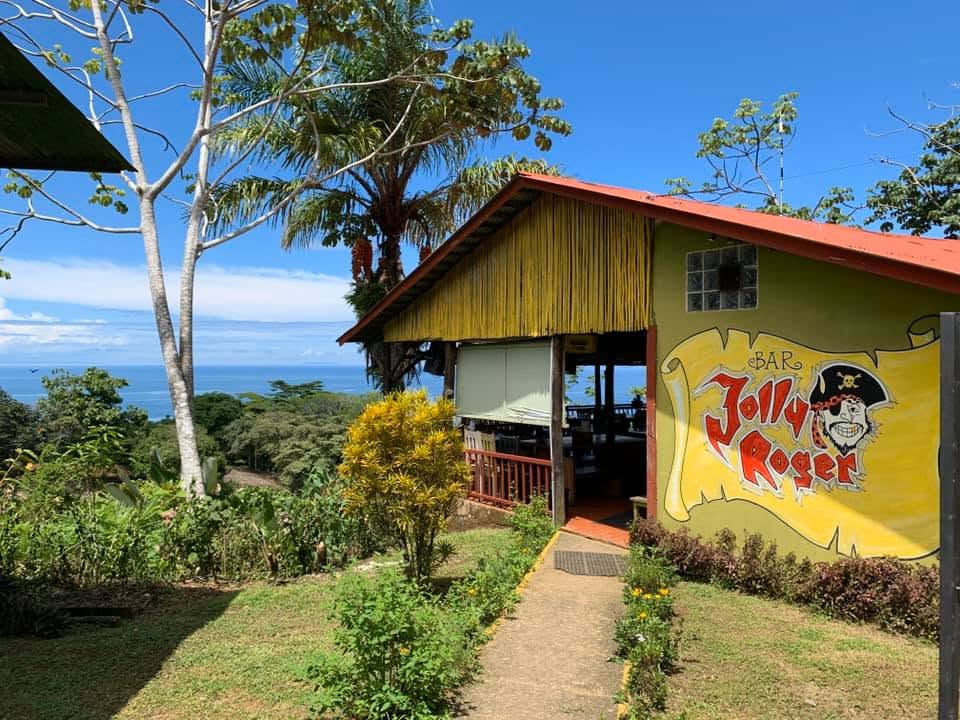
- Marcelo’s Italian restaurant on the hill, now home to The Beehive.
- CACOBA and Revive Uvita: murals, beautification projects, and public tree planting.
- The days when Uvita was a roadside stop rather than the hub of Costa Ballena.