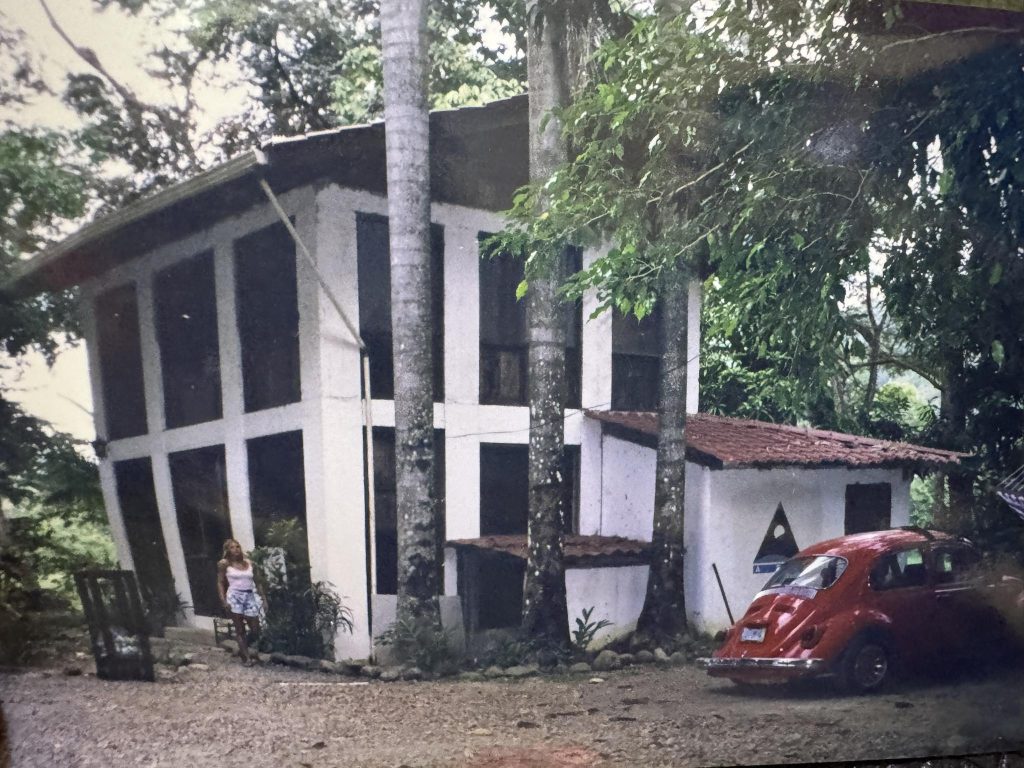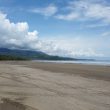




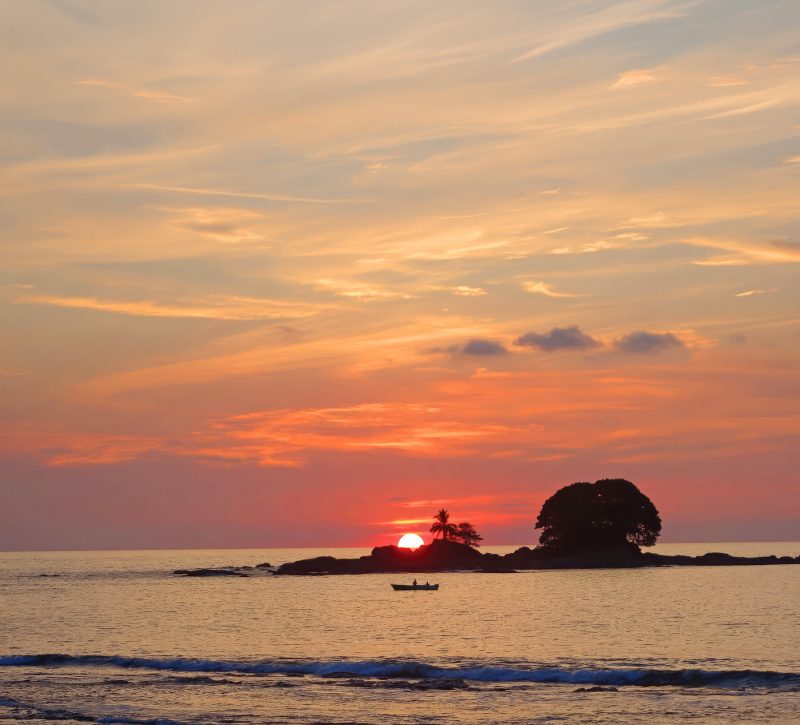

Dominical’s development is closely tied to its geography: a steep, jungle-backed coastline that remained difficult to access well into the late 20th century. For decades, the area functioned primarily as a small coastal settlement supported by agriculture, fishing, and limited local trade, with minimal infrastructure connecting it to larger population centres.
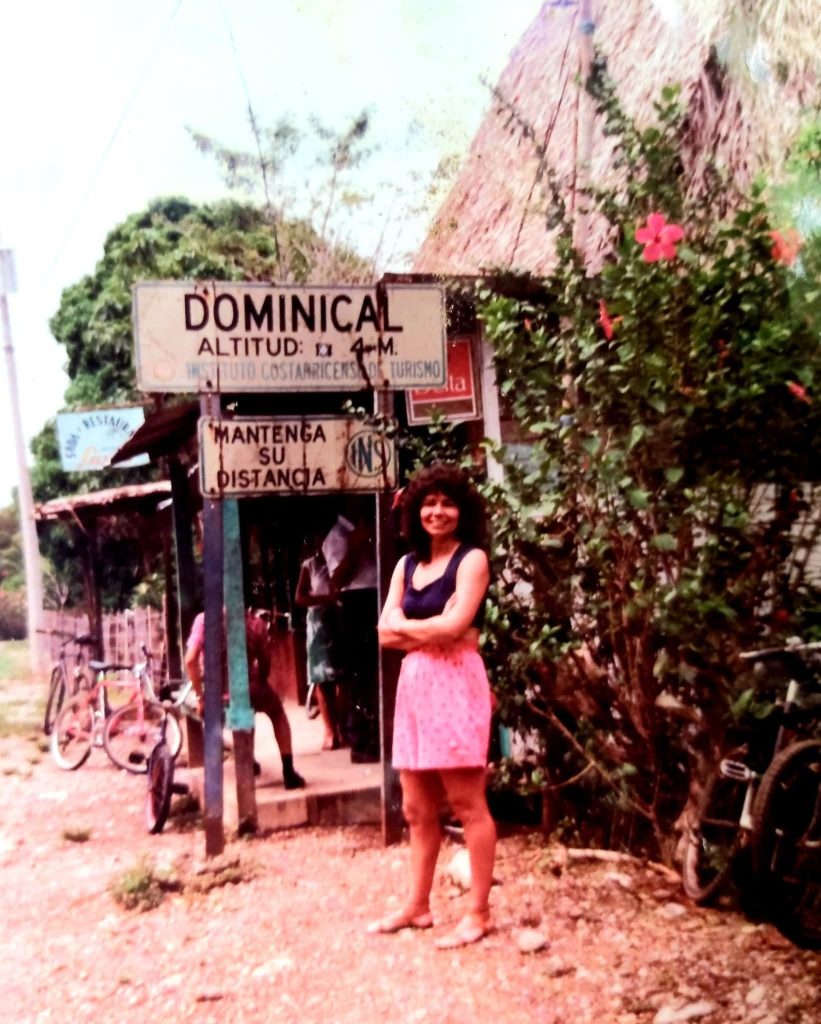
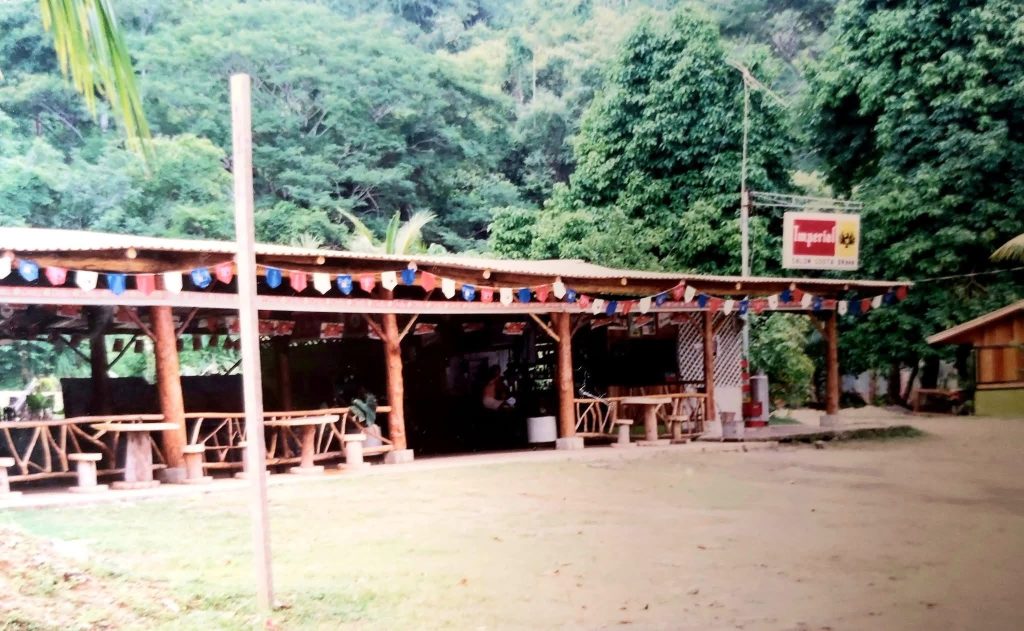
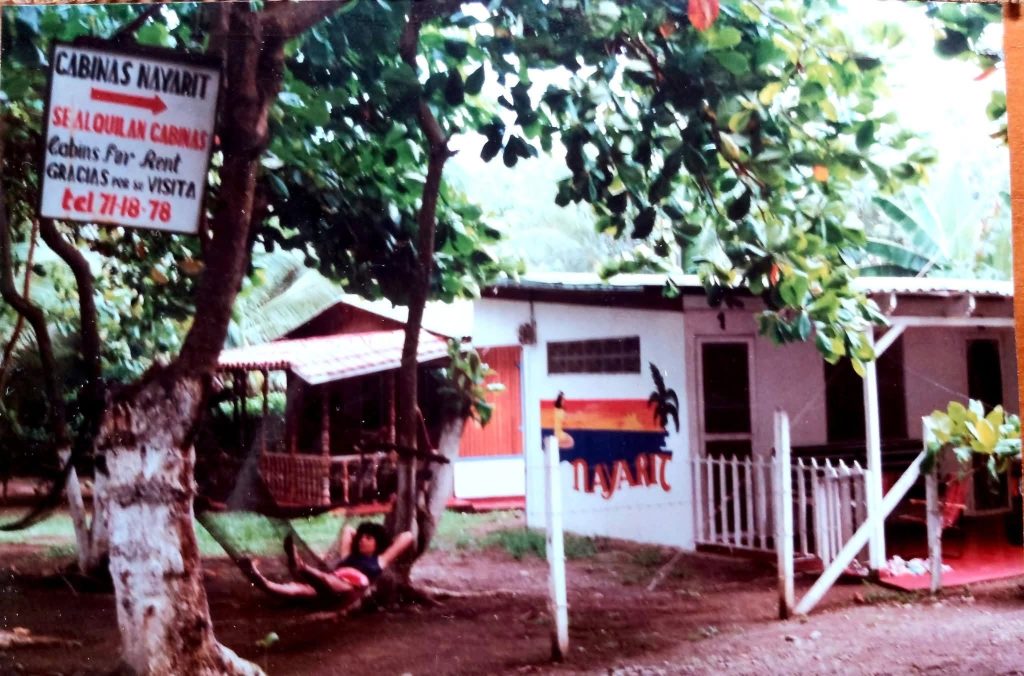
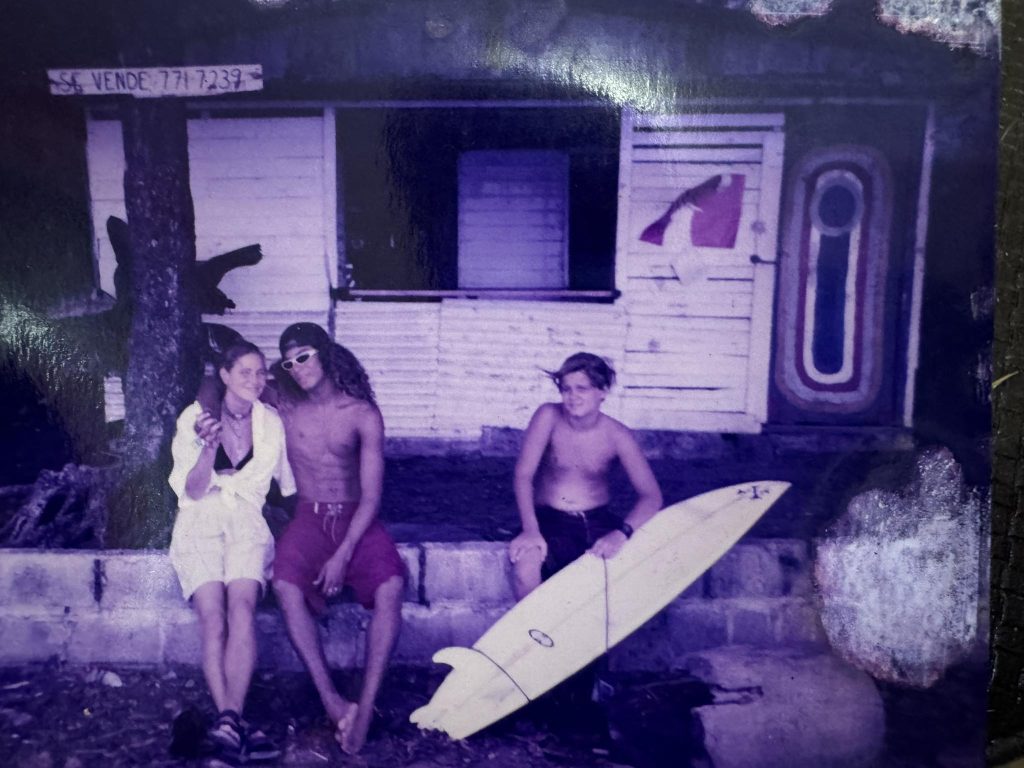
During the 1970s and 1980s, Dominical began to appear on the international surfing map. Consistent swell and relatively undeveloped coastline attracted surfers seeking uncrowded breaks, establishing the foundations of what would become a long-term surf tourism economy. At that time, access remained challenging, with unpaved roads and seasonal river crossings shaping both travel and daily life.
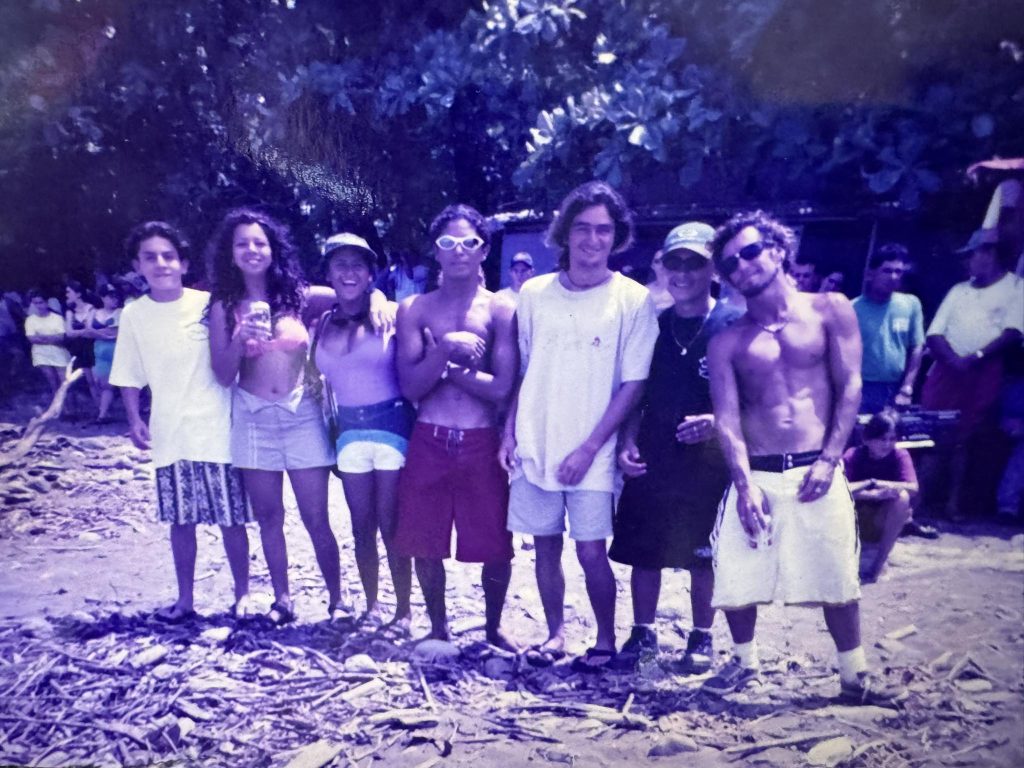
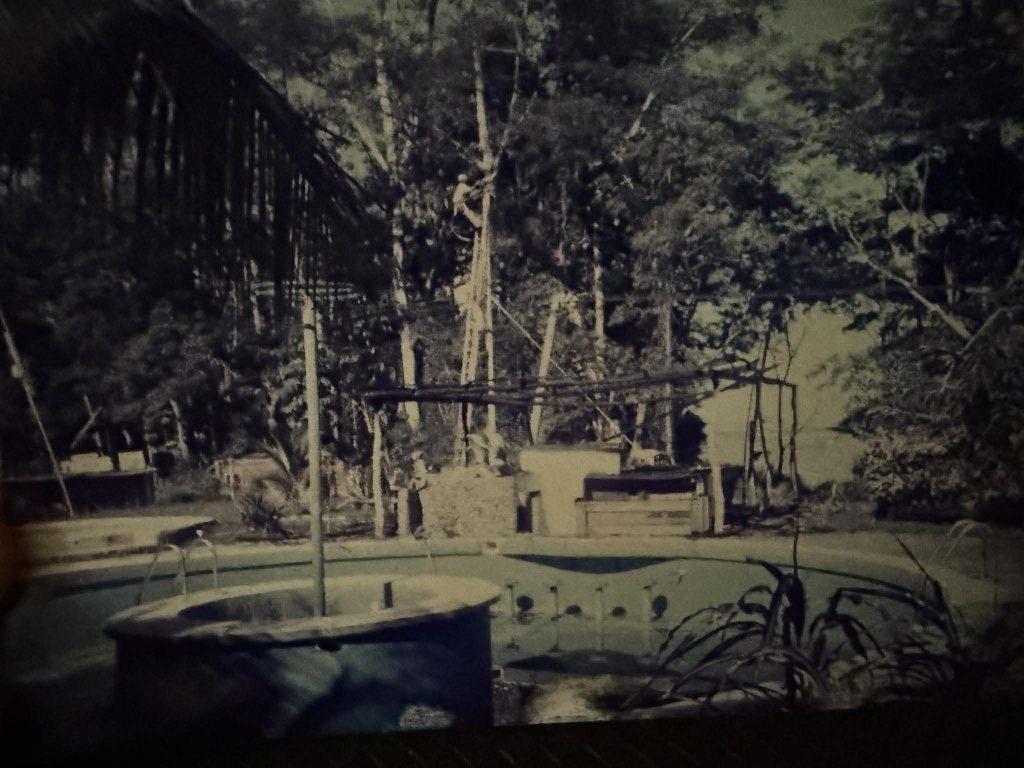
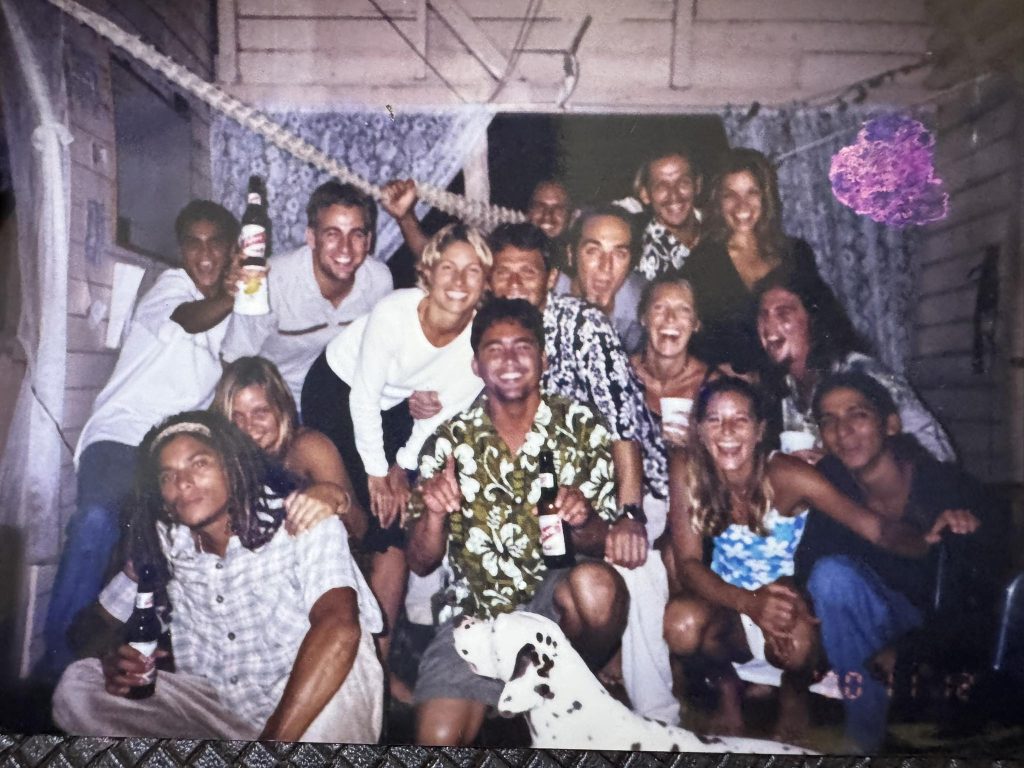
By the 1990s, Dominical had evolved into a small but active beach village. Informal hospitality, surf tourism, and long-term travellers contributed to a growing local economy. Development remained organic, shaped by independent businesses rather than structured planning.
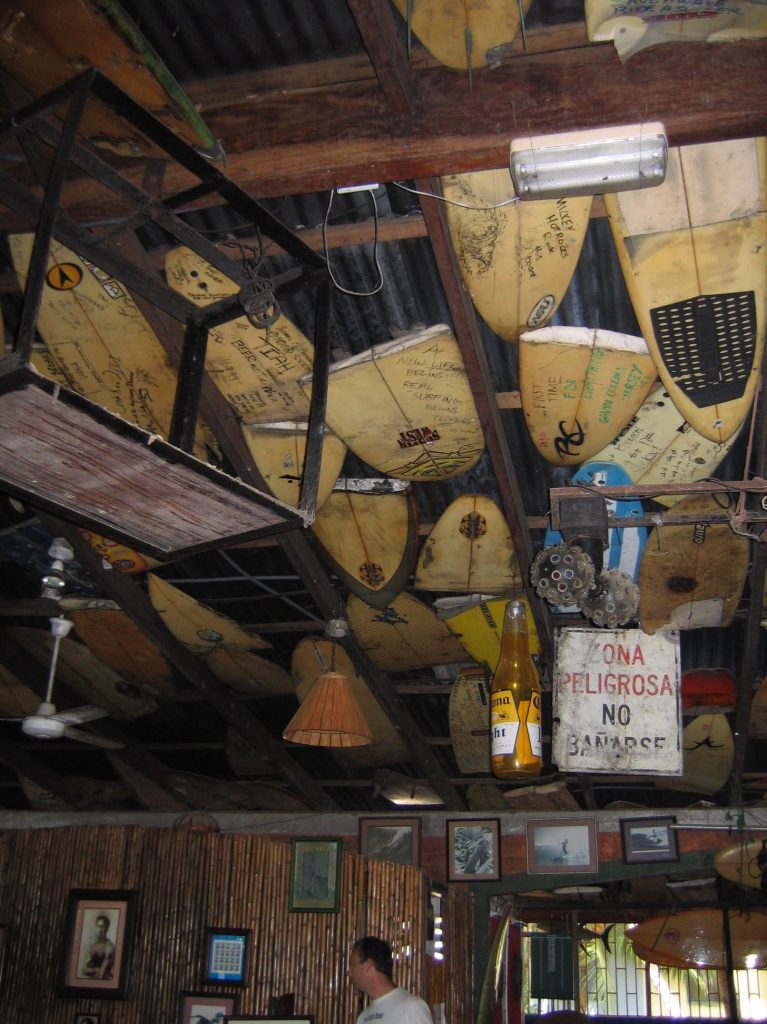
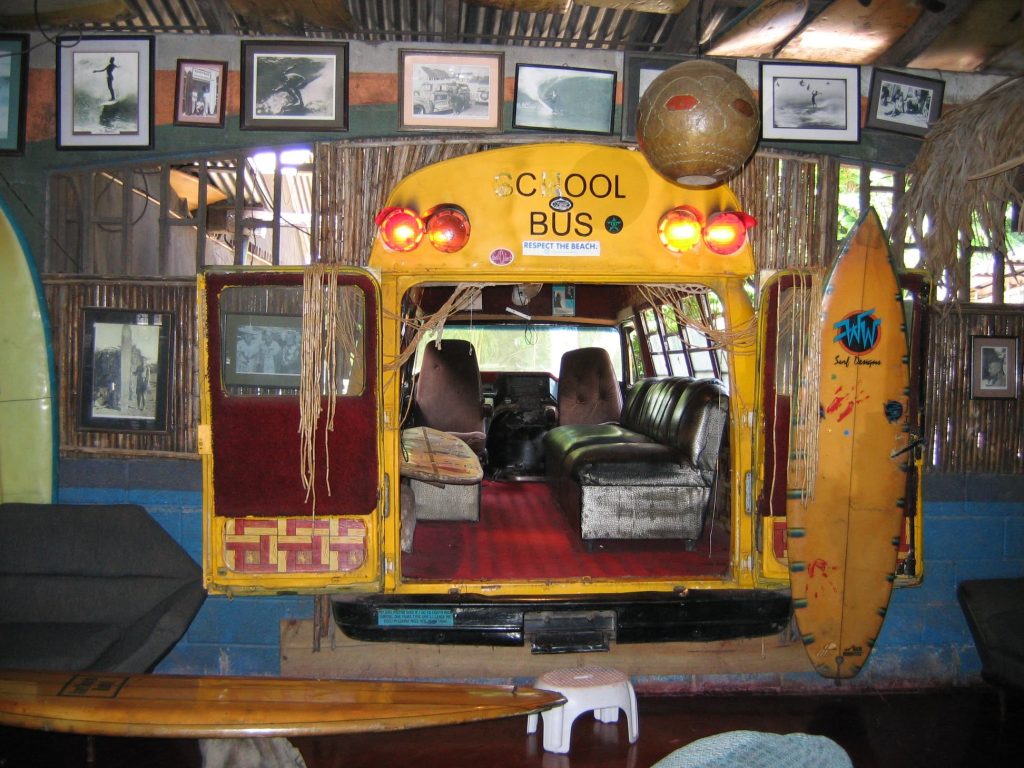
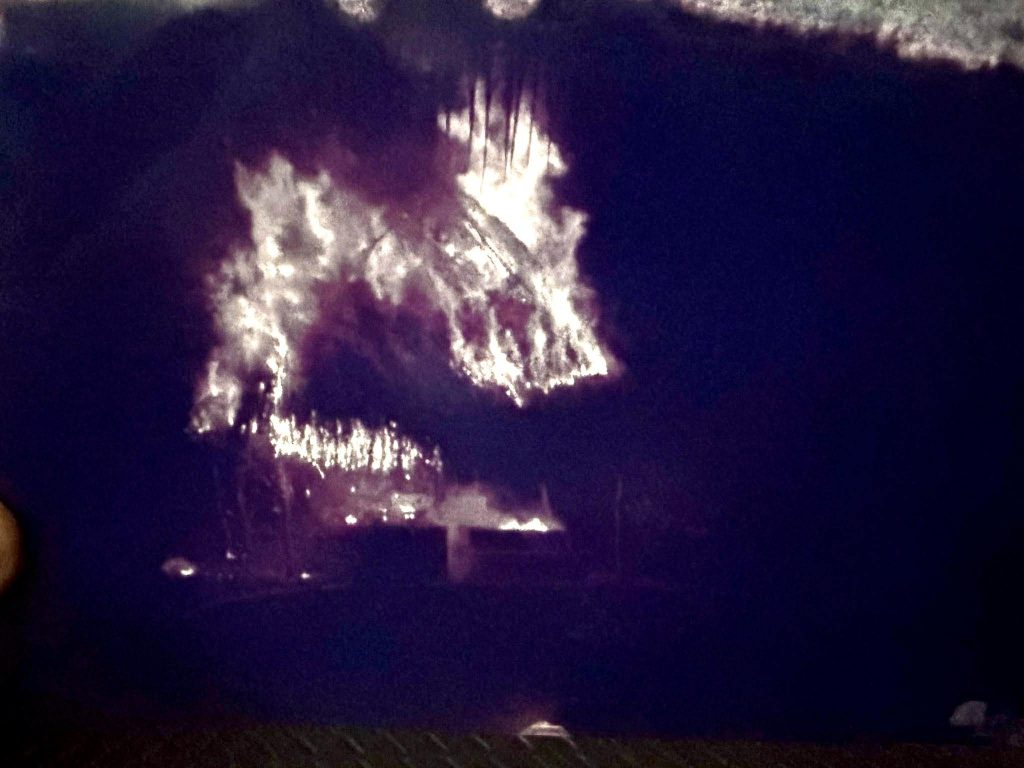
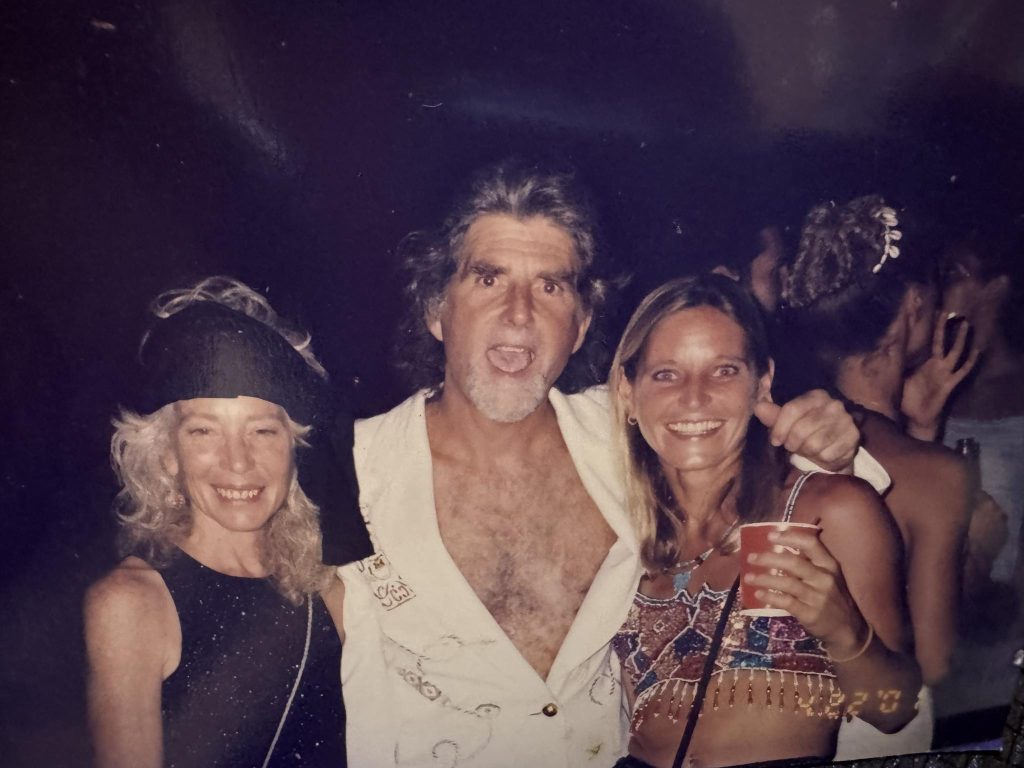
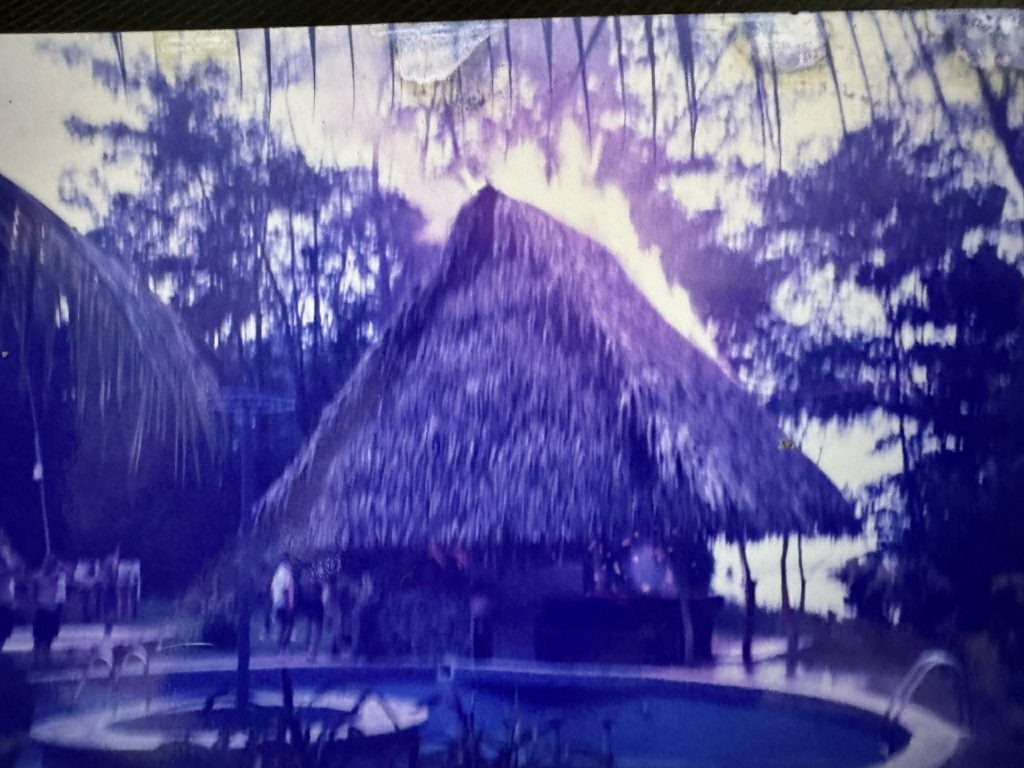
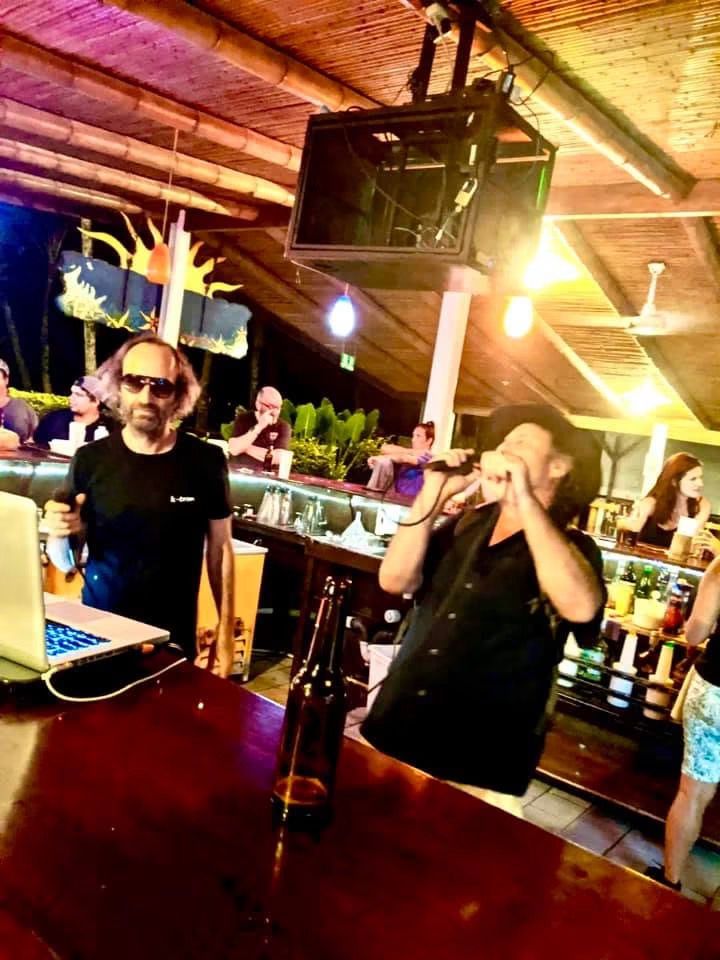
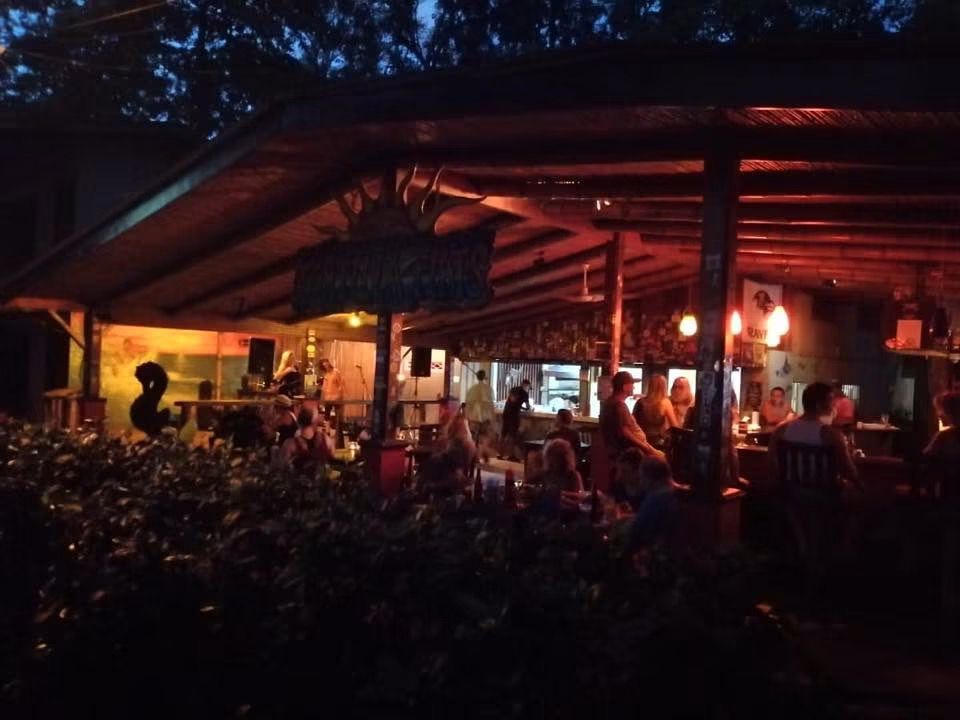
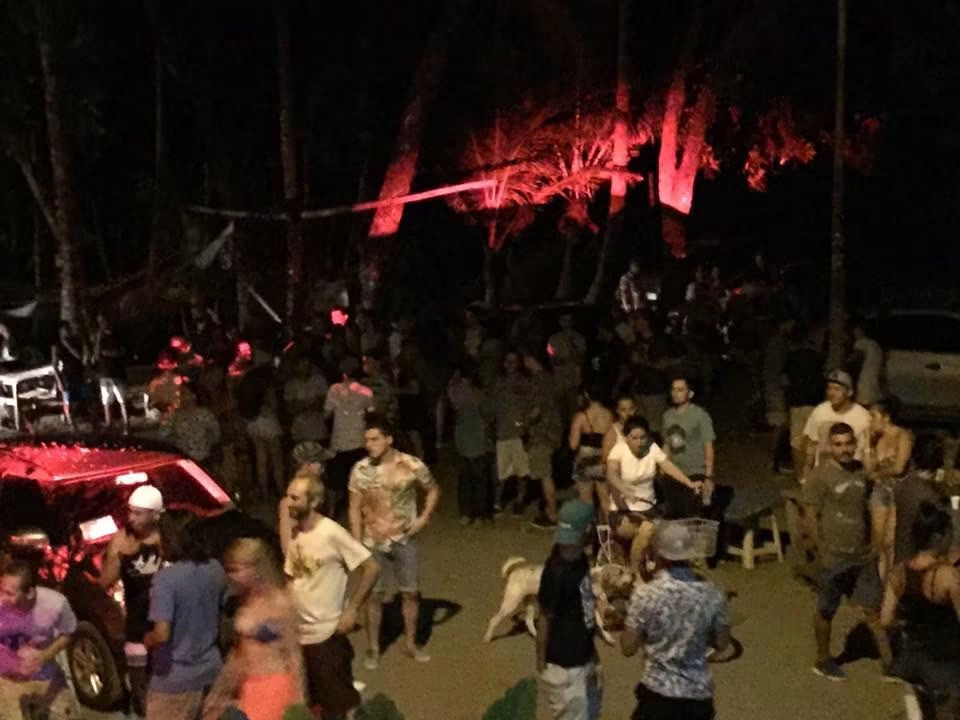
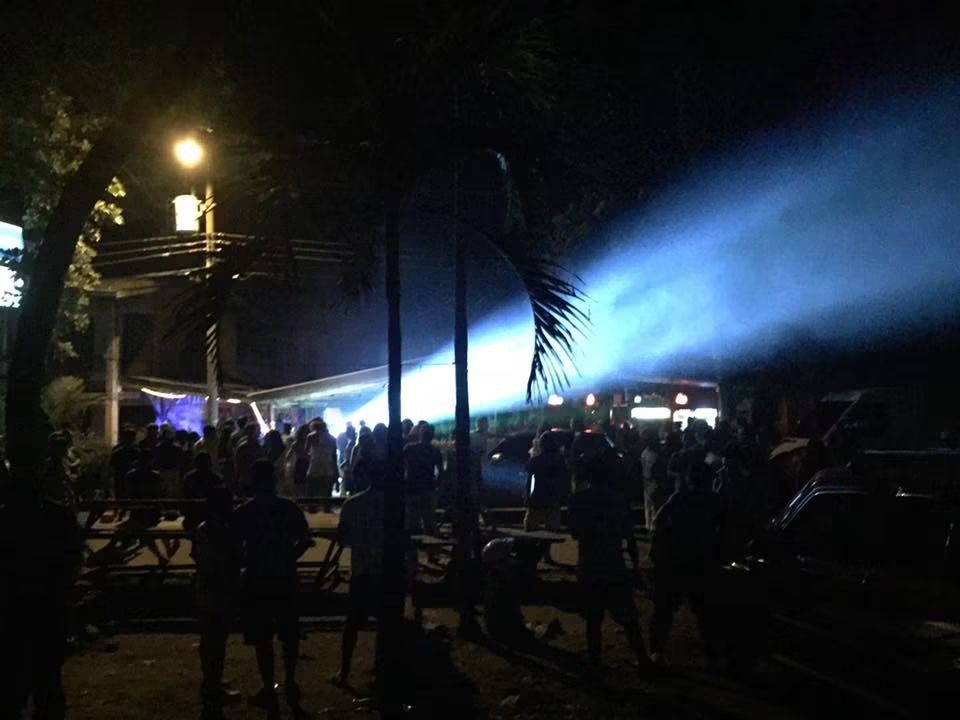
Among the most referenced early establish-ments and social landmarks is Roca Verde, which for many years operated as a central gathering point for residents and visitors as the place to go to dance! It hosted many social events, live music, and community gatherings that became part of the town’s cultural memory.
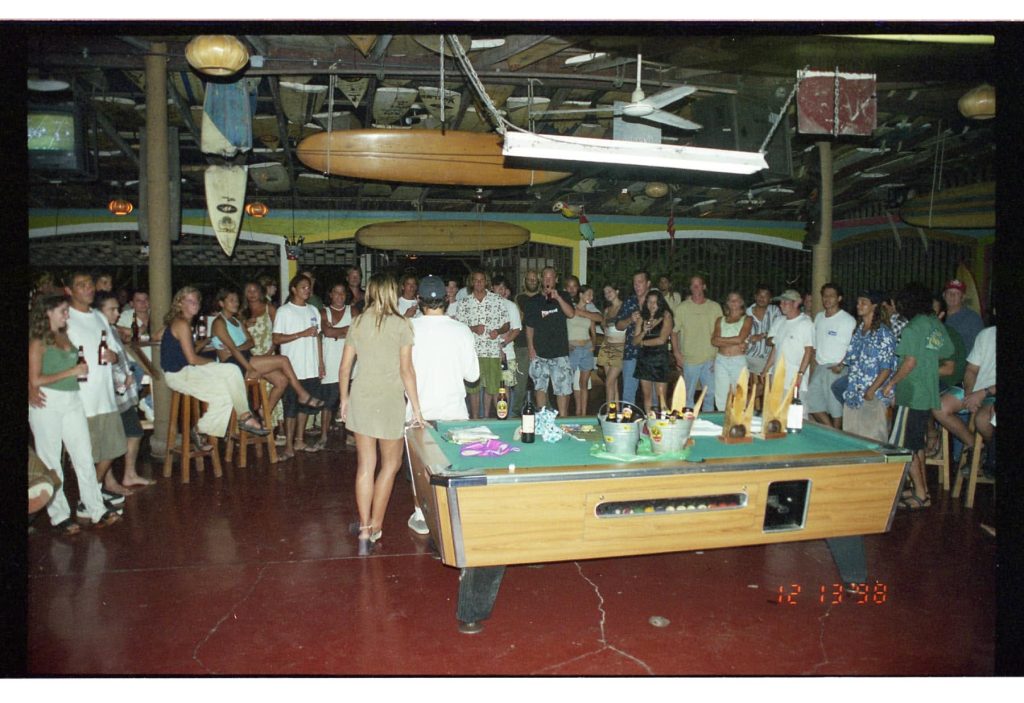
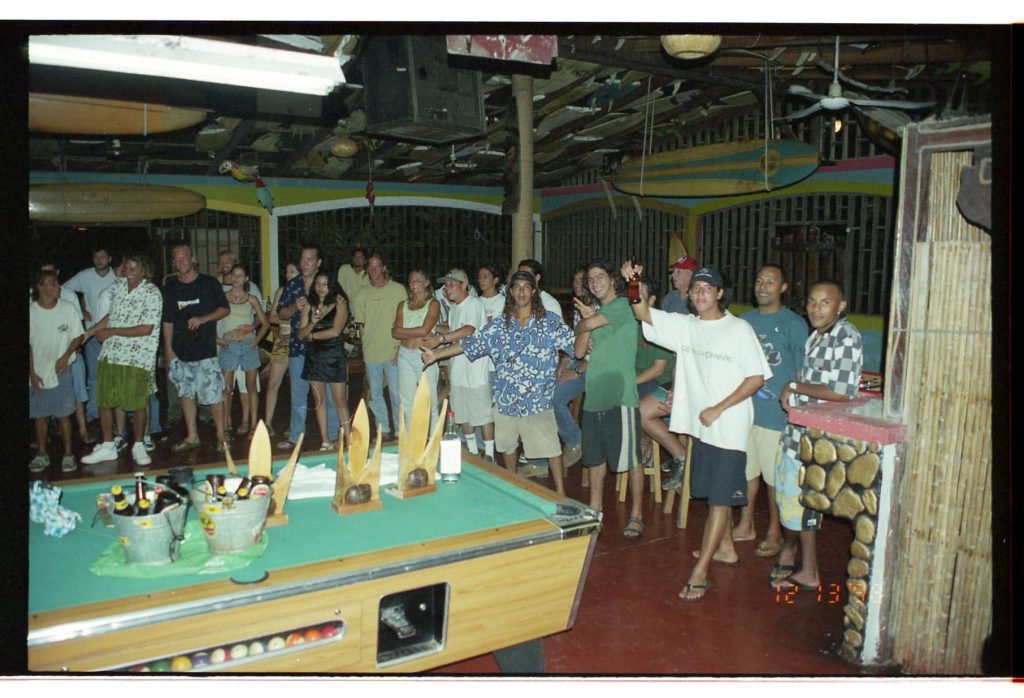
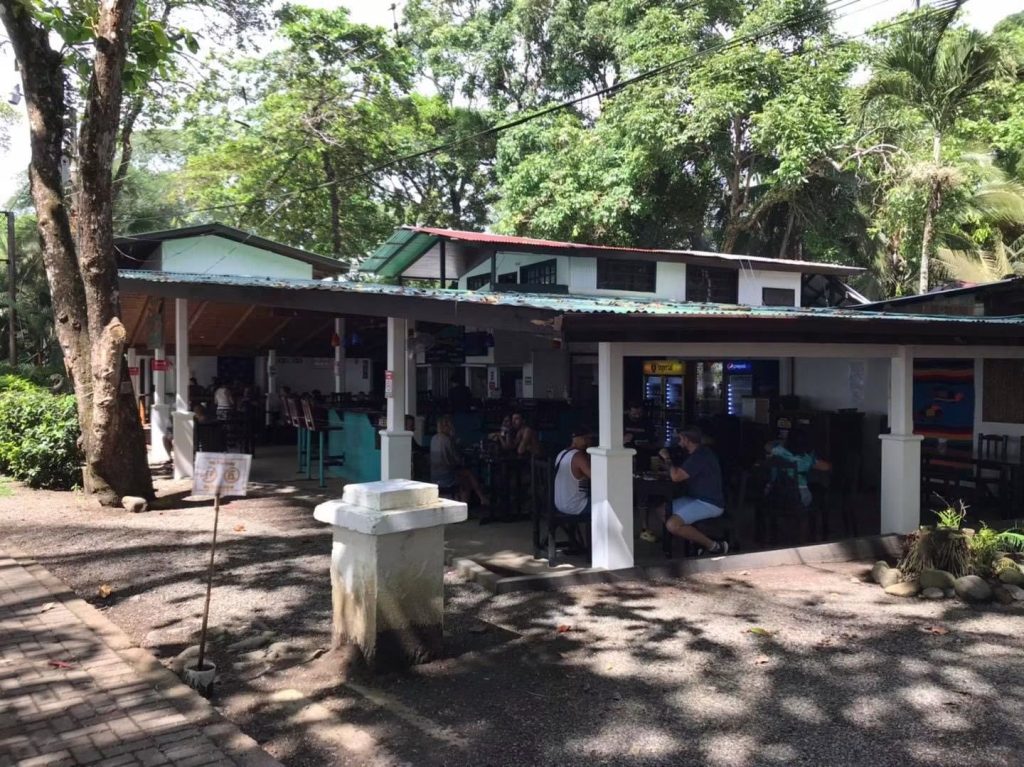
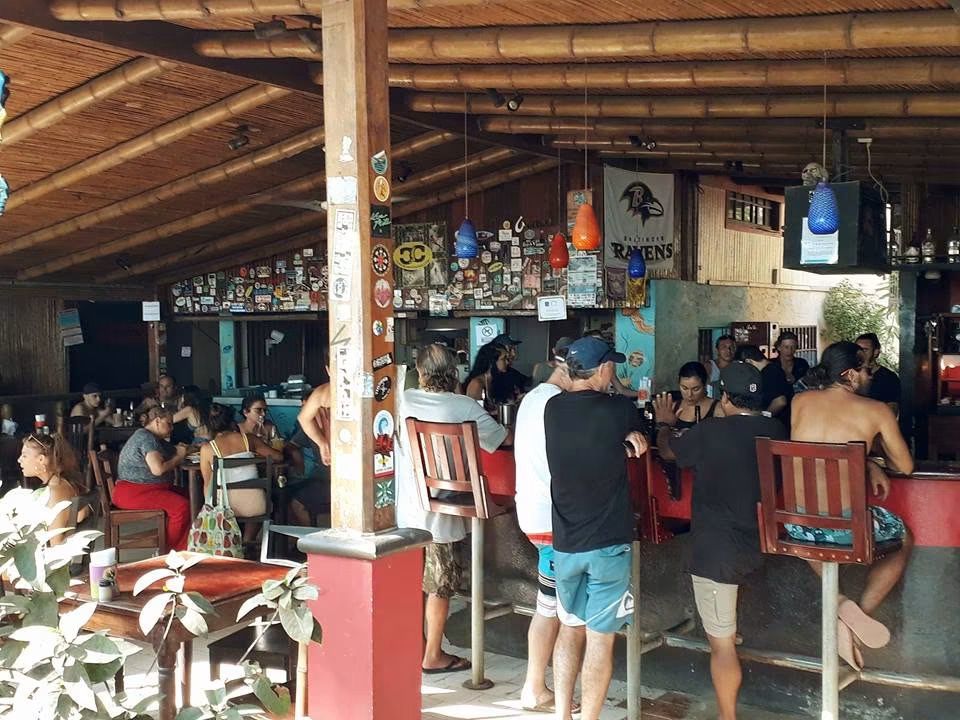
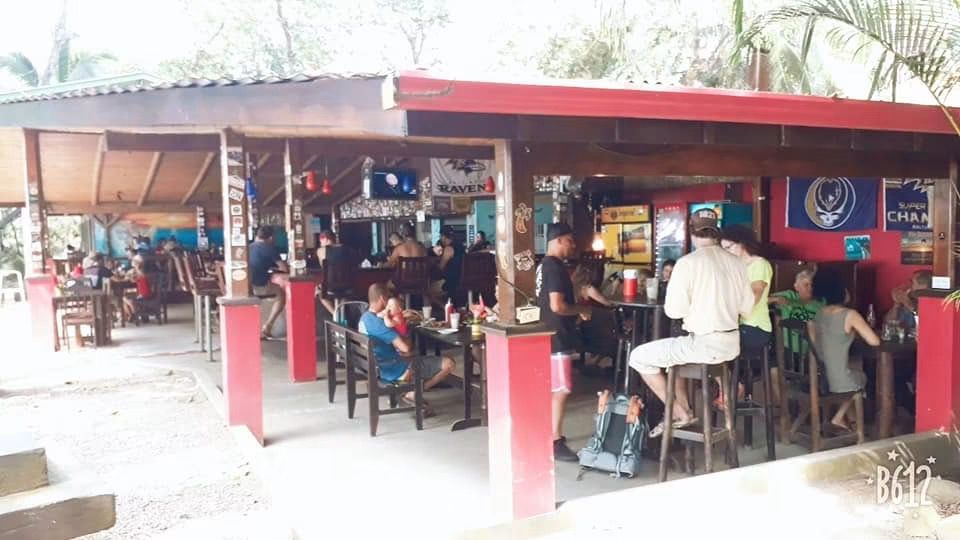
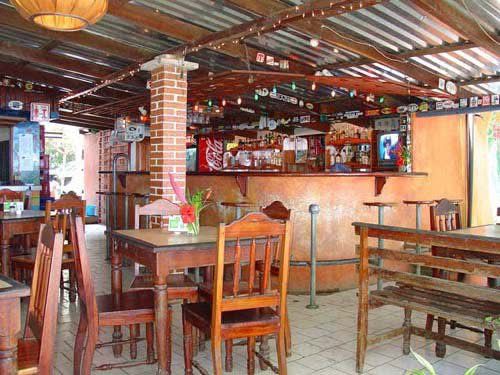
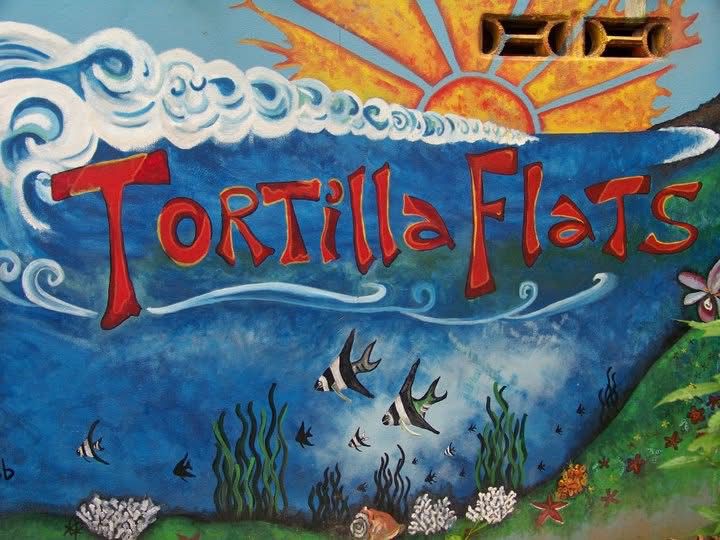
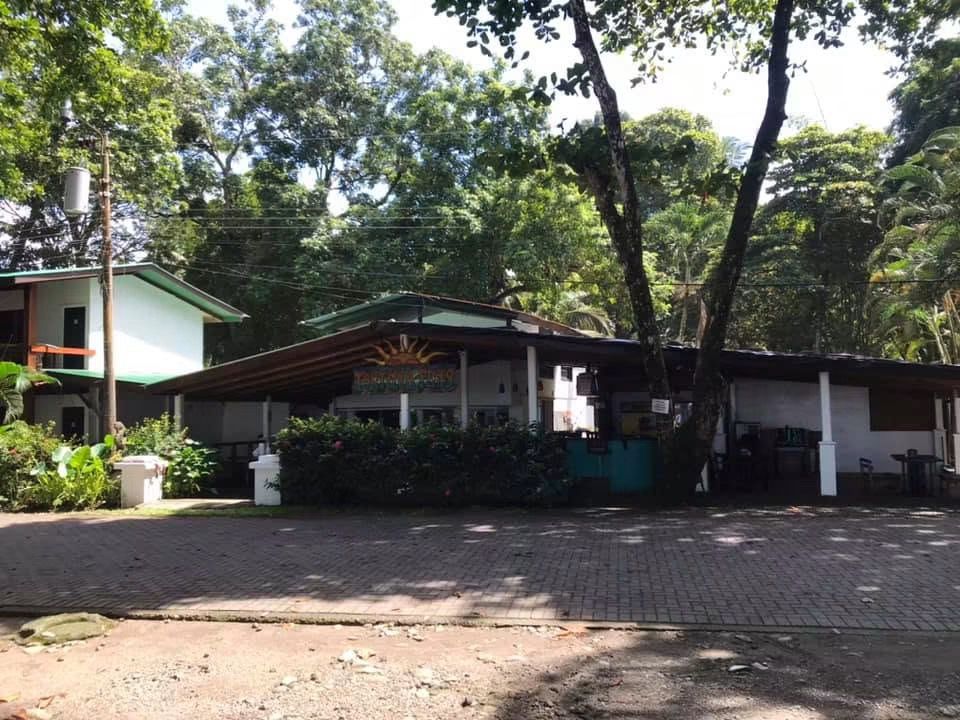
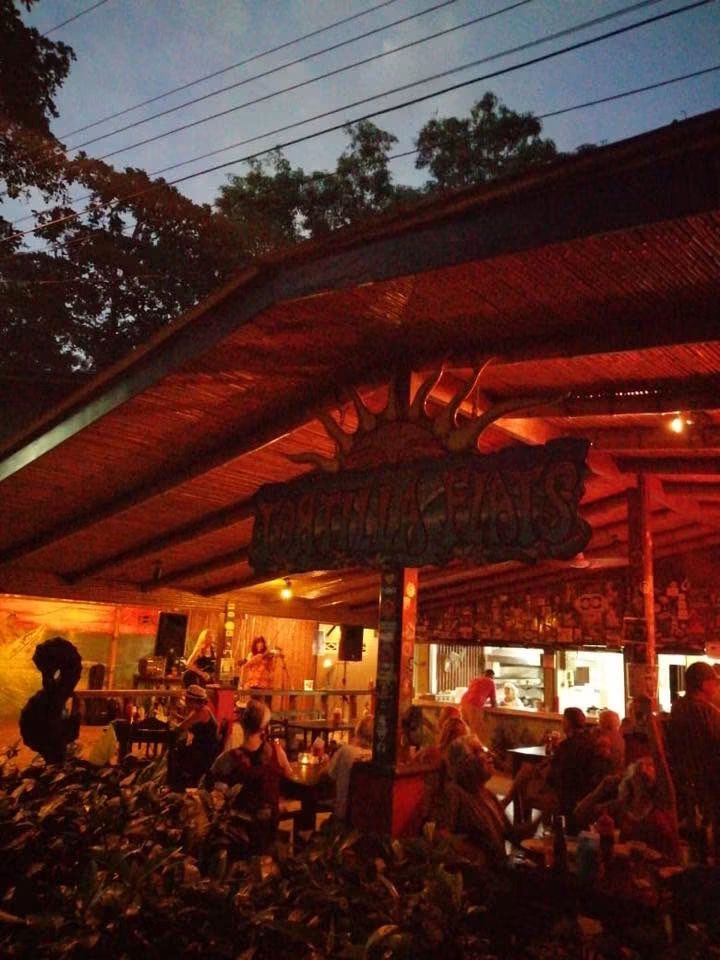
Another long-standing establishment, Tortilla Flats, became a symbolic entry point into Dominical life for many visitors arriving from all over the world. Over time, it developed a reputation as an informal introduction to the town’s character and social scene.
A major structural shift occurred following the completion of the Costanera Sur (Route 34) in 2010, which significantly improved regional connectivity. Increased accessibility accelerated tourism, residential development, and infrastructure expansion, marking the transition from remote village to established coastal town.Today, Dominical stands as one of the Southern Zone’s most recognizable coastal towns, shaped by decades of gradual transformation. Today the streets are paved and the dirt roads are gone, but the laid back vibe continues. Surf’s always up at high tide, and we all still head to the beach for sunset. Alas, some things never change!

REMEMBER WHEN?
- Crossing rivers before bridges.
- The days before the Costanera.
- Legendary nights at Roca Verde.
- Early surf competitions in front of Tortilla Flats.
- The original beachfront market.
- Watching Dominical’s first paved and concrete roads arrive.